







What's Happening?
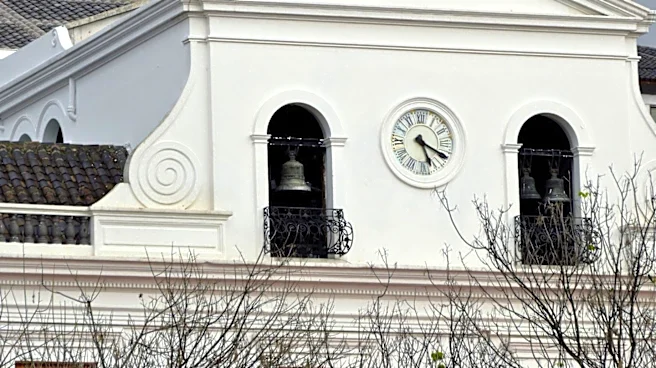
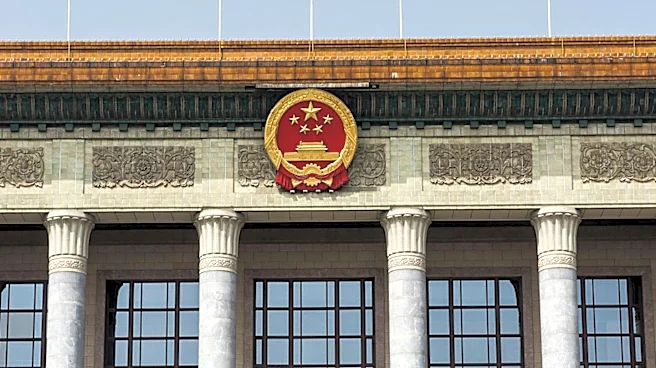
An investigation has revealed that an agency directed by China's central bank, the State Administration of Foreign Exchange (SAFE), has been acquiring stakes in various European companies and properties over the past decade. This includes investments
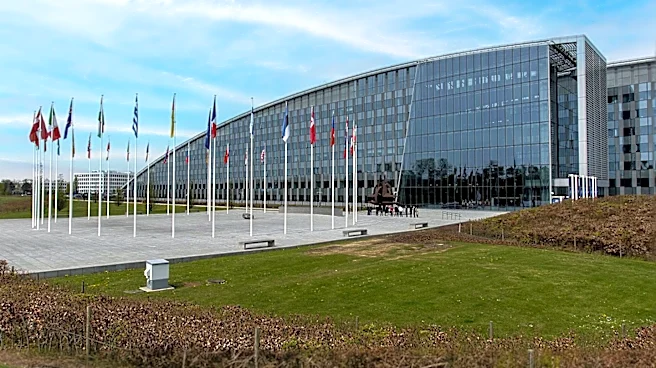
in a gas company in Spain and a police headquarters in Belgium. The investigation, part of the OpenLux project, utilized data from European business and land ownership registries to uncover a network of offshore Caribbean companies and Luxembourg holding firms used by SAFE to manage its assets. This complex structure effectively conceals the agency's ownership from public view. Experts note that SAFE is known for its secretive investment strategies and has taken significant steps to obscure the scale of its investments.
Why It's Important?
The findings highlight the increasing opacity in company ownership across Europe, raising concerns about transparency and control over critical infrastructure. The use of offshore vehicles and complex corporate structures by SAFE to manage its investments underscores the challenges in tracking foreign investments, particularly those from state-controlled entities. This situation could have implications for European economic sovereignty and security, as it becomes difficult to ascertain who controls key assets. The investigation sheds light on the broader issue of foreign influence in European markets and the potential risks associated with undisclosed ownership of strategic assets.
What's Next?
The revelations may prompt European regulators and policymakers to scrutinize foreign investments more closely, particularly those involving state-controlled entities from non-European countries. There could be calls for stricter transparency requirements and regulatory measures to ensure that the ownership of critical infrastructure is clear and accountable. Additionally, the findings might lead to increased diplomatic discussions between European nations and China regarding investment practices and transparency standards.
Beyond the Headlines
The investigation into SAFE's investment practices also raises ethical questions about the use of offshore structures to obscure ownership and evade scrutiny. This practice is not unique to China and reflects a broader trend among global investors seeking tax efficiency and privacy. However, it also highlights the need for international cooperation to address the challenges posed by opaque investment practices and to ensure that global financial systems remain transparent and accountable.