






What's Happening?
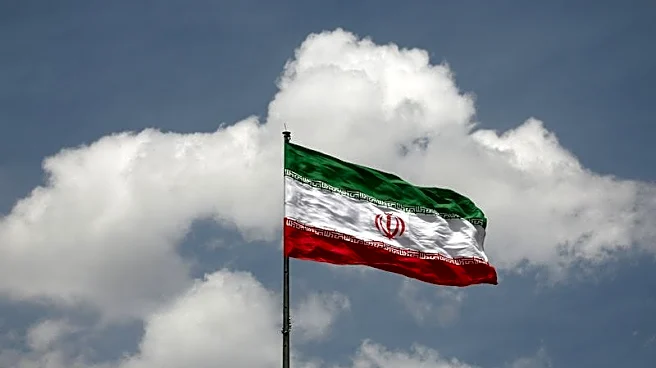
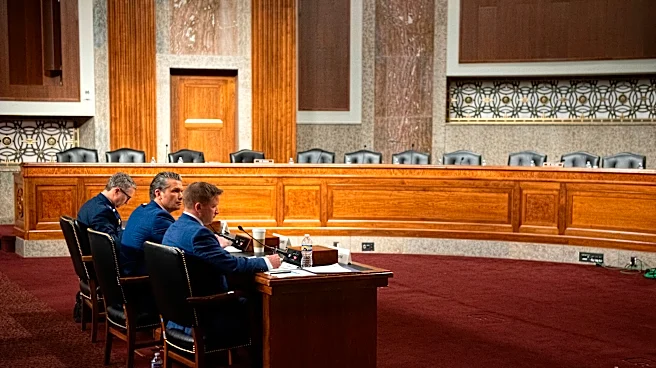
As the 60-day deadline under the War Powers Resolution approaches, Congress has yet to take action on President Trump's military engagement in Iran. The resolution requires congressional approval for military actions beyond 60 days, but the administration
argues that the ceasefire effectively pauses the deadline. Despite this, thousands of U.S. troops remain deployed, and military operations continue in the region. The lack of congressional action reflects broader challenges in legislative oversight and the balance of power between the executive and legislative branches.
Why It's Important?
The situation underscores the ongoing struggle between Congress and the executive branch over war powers and military engagement. The War Powers Resolution was designed to ensure congressional oversight of military actions, but its effectiveness is limited by political dynamics and interpretations of the law. The failure to act on the Iran war deadline highlights the challenges Congress faces in asserting its authority and the potential consequences of unchecked executive power. This issue has broader implications for U.S. foreign policy and the role of Congress in shaping military strategy.
What's Next?
The debate over the War Powers Resolution and congressional oversight of military actions is likely to continue, with potential legal challenges and legislative efforts to clarify or amend the resolution. Lawmakers may seek to assert their authority through hearings, resolutions, or other measures, but political divisions could hinder progress. The situation may also prompt discussions about the need for broader reforms to ensure effective checks and balances in U.S. governance.