




What's Happening?
New research indicates that air pollution's impact on the risk of bacterial pneumonia, sepsis, and meningitis varies depending on the specific subtype of bacteria an individual carries. A study conducted by the Wellcome Sanger Institute, the National
Institute for Communicable Diseases (NICD), the Barcelona Supercomputing Center, and collaborators, published in Nature Microbiology, found that certain subtypes of Streptococcus pneumoniae (S. pneumoniae) are linked to different rates and timings of invasive disease following air pollution exposure. Some strains were associated with immediate infection, while others took several weeks. The study also revealed that older adults and young children are more vulnerable during periods of high air pollution. S. pneumoniae is commonly found in the respiratory microbiome of nearly 20% of adults globally, and while often asymptomatic, it can lead to invasive pneumococcal disease (IPD) if it enters the lower respiratory tract or bloodstream. The research examined approximately 59,000 IPD cases over 19 years from South Africa’s national GERMS-SA surveillance program, identifying subtypes 14, 19A, and 8 as having the greatest risk of IPD after air pollution exposure.
Why It's Important?
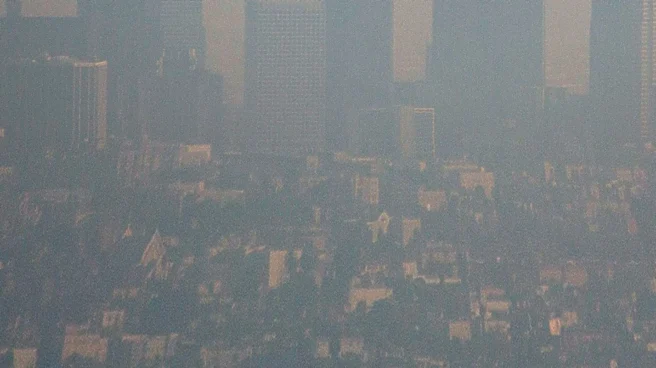
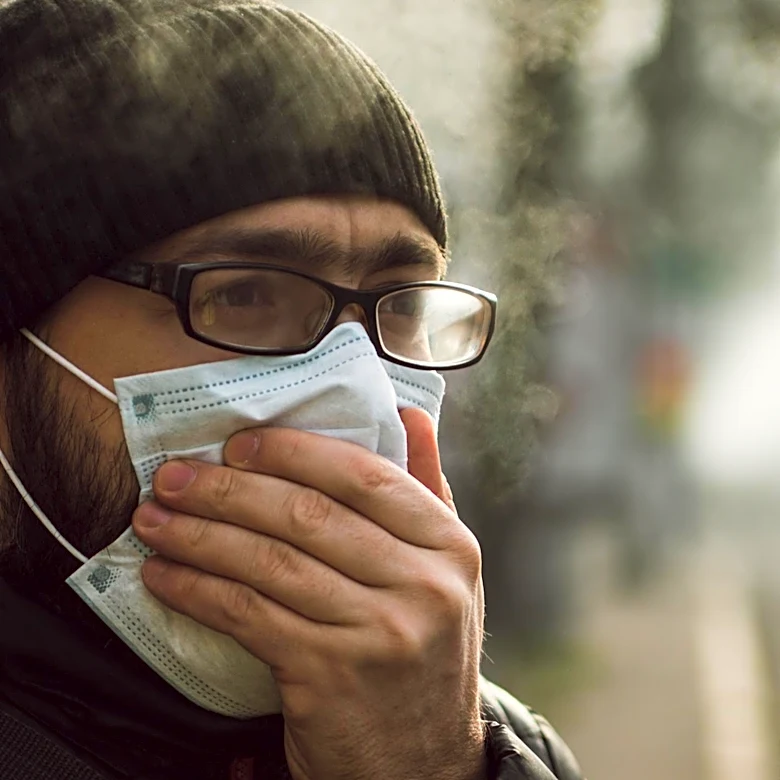
This research is crucial for public health policy and healthcare planning, particularly in the U.S. and globally, as it highlights the complex interplay between environmental factors and infectious diseases. Understanding how specific bacterial strains respond to air pollution can inform targeted interventions and public health campaigns. For instance, identifying high-risk bacterial subtypes allows for more precise surveillance and potentially tailored vaccination strategies. The finding that older adults and young children are more susceptible during high air pollution periods underscores the need for protective measures for these vulnerable populations, such as air quality alerts and recommendations for reduced outdoor activity. Economically, improved air quality could lead to a reduction in healthcare costs associated with treating IPD, including hospitalizations and long-term care. This study also emphasizes the need for cross-sector collaboration between environmental agencies and public health bodies to mitigate health risks associated with climate change and urbanization.
What's Next?
The findings suggest that future public health policies should consider both air quality and the prevalence of specific bacterial strains to protect at-risk populations and prepare healthcare systems for potential outbreaks. Researchers will likely extend these findings to other regions globally, including the U.S., to understand how environmental factors and bacterial subtypes interact in different populations and climates. This will involve linking long-term climate and air quality monitoring with health outcomes. Further studies could focus on developing predictive models that forecast IPD outbreaks based on air pollution levels and circulating bacterial strains. Additionally, there may be efforts to develop more targeted vaccines or treatments that account for the varying responses of S. pneumoniae subtypes to environmental stressors. Public health campaigns could also be developed to educate communities on the specific risks associated with air pollution and bacterial infections, particularly for vulnerable groups.
Beyond the Headlines
This study delves into the less obvious implications of environmental changes on human health, specifically how climate change and rapid urbanization are altering the conditions that influence infectious disease risk. It highlights the concept of the 'exposome,' where an individual's total environmental exposures interact with their biological makeup to influence disease susceptibility. The research also touches upon the ethical responsibility of governments and industries to address air pollution, not just for general well-being but for its specific impact on infectious disease dynamics. Culturally, this could lead to increased public awareness and demand for cleaner air, potentially influencing urban planning and industrial regulations. The findings also underscore the importance of microbial ecology within the human body, showing how the composition of the respiratory microbiome can modulate the risk of infection in response to external environmental stressors. This interdisciplinary approach, combining environmental science, microbiology, and public health, is crucial for addressing complex health challenges in a changing world.