
What's Happening?
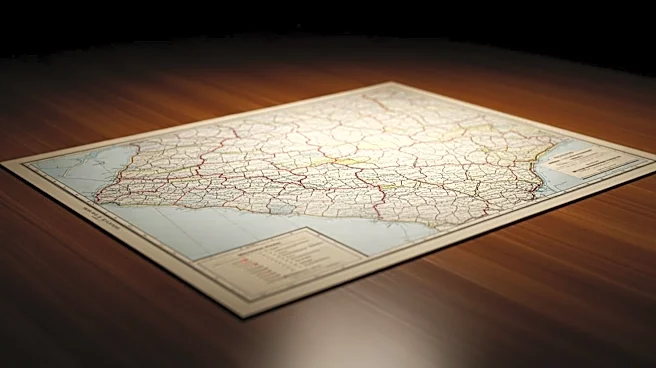
Recent Supreme Court decisions have intensified the redistricting battle across several U.S. states, leading to significant voter confusion and administrative challenges. In Louisiana, a congressional
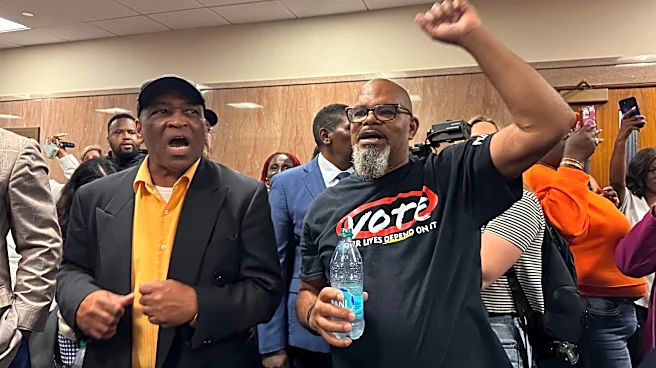
map was struck down, prompting the Republican governor to postpone U.S. House primaries to allow for new district lines. This decision came after absentee ballots had already been mailed, leading to a situation where votes for congressional races would not be counted. Similar issues have arisen in Alabama and Virginia, where court rulings have altered previously approved maps, further complicating the electoral process. Voting rights advocates express concern that these changes undermine voter confidence and the integrity of the democratic process.
Why It's Important?
The redistricting turmoil has significant implications for voter representation and the democratic process in the U.S. The changes have led to discarded votes and diminished voting power, particularly affecting communities that feel disenfranchised. The ongoing legal battles and map alterations contribute to a perception that the electoral system is rigged, potentially decreasing voter turnout and engagement. This situation highlights the broader issue of political parties manipulating district boundaries to gain electoral advantages, often at the expense of fair representation. The lack of competitive races further exacerbates voter apathy, as many elections are effectively decided before ballots are cast.
What's Next?
As states continue to navigate the redistricting challenges, further legal disputes and adjustments to electoral maps are likely. Voting rights organizations are expected to continue their advocacy efforts, challenging decisions that they perceive as undermining voter rights. The upcoming elections will test the resilience of the electoral system and voter engagement, with potential implications for future redistricting efforts and electoral reforms. Stakeholders, including political leaders and civil society groups, will need to address the growing concerns about electoral fairness and voter disenfranchisement to restore public confidence in the democratic process.
Beyond the Headlines
The redistricting issues underscore deeper systemic challenges within the U.S. electoral system, including the need for comprehensive reforms to ensure fair representation. The current situation may prompt discussions about alternative redistricting methods, such as independent commissions, to reduce partisan influence. Additionally, the legal and political battles over district boundaries highlight the ongoing struggle for voting rights and the importance of maintaining a transparent and accountable electoral process. These developments could lead to long-term shifts in how electoral districts are drawn and how voters engage with the democratic process.