







What's Happening?
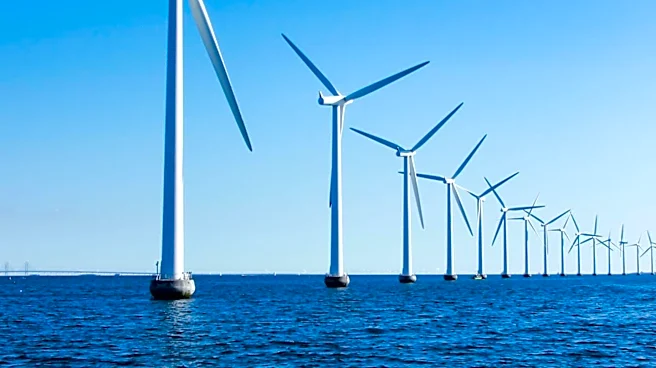
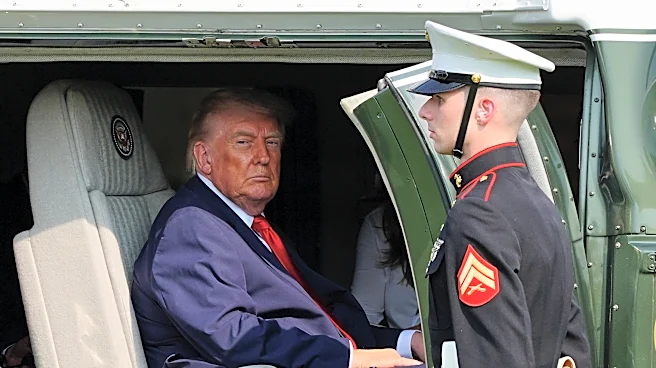
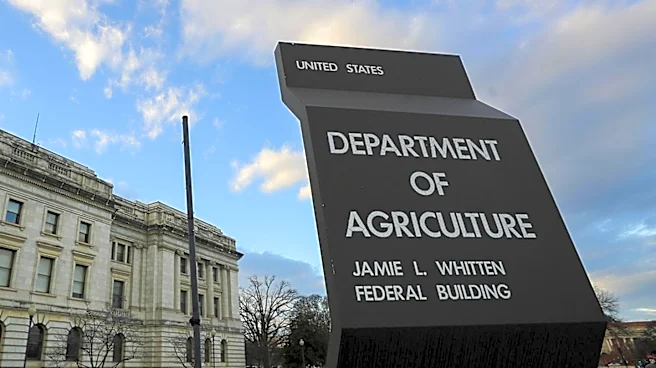
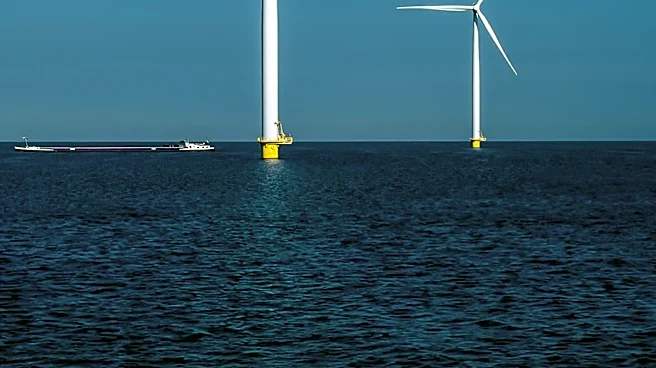
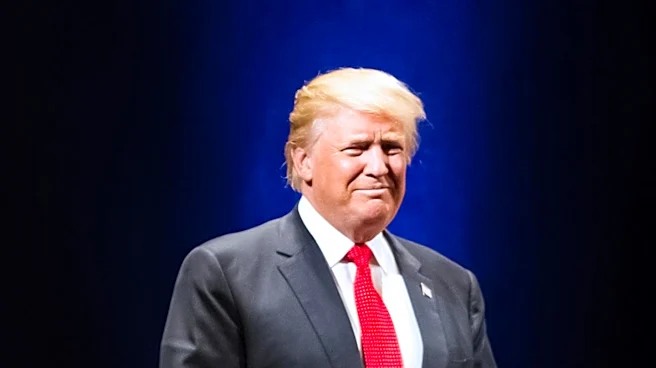
President Donald Trump's administration has taken steps to halt offshore wind development, citing national security risks. The Interior Department, led by Secretary Doug Burgum, has stopped work on major projects and is buying back leases. This decision
is based on a classified report from Defense Secretary Pete Hegseth, which claims that offshore wind projects pose a threat to national security. The administration argues that wind turbines interfere with radar systems, potentially allowing undetected autonomous drones to pass through wind tower fields. Despite these claims, federal judges have allowed the resumption of construction on several wind farms, questioning the administration's motives. The decision to halt these projects aligns with President Trump's preference for fossil fuels and his skepticism towards wind energy.
Why It's Important?
The halt on offshore wind development has significant implications for the U.S. energy sector and environmental policy. Offshore wind has the potential to provide substantial clean energy, reducing reliance on fossil fuels and lowering carbon emissions. The administration's decision could hinder progress towards renewable energy goals and impact the U.S.'s ability to compete in the global clean energy market. Critics argue that the national security concerns may be overstated and used as a pretext to support fossil fuel interests. This move could also affect states' energy strategies and economic plans, particularly those investing in renewable energy infrastructure. The legal challenges and skepticism from courts suggest a contentious path forward for the administration's energy policies.
What's Next?
The future of offshore wind development in the U.S. remains uncertain. Legal battles are likely to continue as states and developers challenge the administration's actions. The outcome of these cases could set precedents for how national security is weighed against environmental and economic considerations in energy policy. Additionally, there may be increased scrutiny on the administration's motives and the validity of the national security claims. Congress may also play a role, with some members seeking to impose deadlines for military evaluations of wind projects. The ongoing debate will likely influence future energy policy decisions and the balance between national security and renewable energy development.
Beyond the Headlines
The controversy over offshore wind development highlights broader issues in U.S. energy policy, including the tension between national security and environmental goals. It raises questions about the role of government in shaping energy markets and the influence of fossil fuel interests. The situation also underscores the challenges of transitioning to renewable energy in a politically divided landscape. The administration's actions may have long-term implications for U.S. leadership in clean energy innovation and its commitments to international climate agreements. The debate also reflects broader societal discussions about the trade-offs between economic growth, environmental sustainability, and national security.