







What's Happening?
Governor Josh Shapiro, alongside Pennsylvania Department of Agriculture (PDA) Secretary Russell Redding and Department of Community and Economic Development (DCED) Secretary Rick Siger, announced Pennsylvania's first-ever 10-year Strategic Plan for Agriculture.
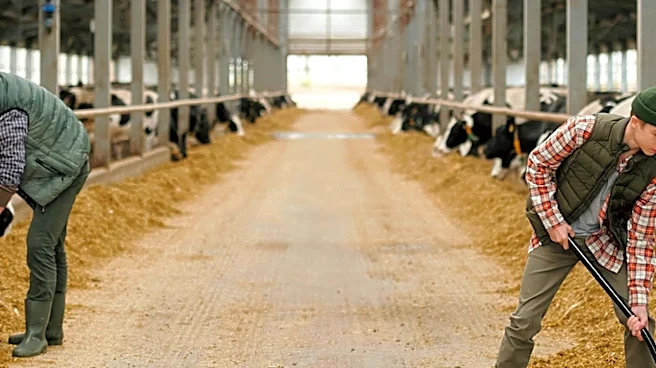
The announcement took place at Milky Way Farm in Chester County. This comprehensive plan aims to support farmers and agricultural producers, ensuring the industry remains profitable and globally competitive. Agriculture is a significant economic driver in Pennsylvania, with over 48,800 farms contributing more than $153 billion annually to the economy and supporting nearly 600,000 jobs. The plan addresses four critical industry needs: access to capital, efficiency and profitability, modernization and innovation, and public engagement. Since taking office, Governor Shapiro has prioritized strengthening agriculture and food security, investing over $268 million in the sector since January 2023. The plan was developed through extensive collaboration and community engagement, including three workgroups with external stakeholders and four public listening sessions across the state.
Why It's Important?
This strategic plan is crucial for Pennsylvania's economy and its agricultural sector, which is one of the state's largest industries. By focusing on modernization, innovation, and market expansion, the plan seeks to enhance the competitiveness and resilience of Pennsylvania farms. The emphasis on supporting careers in food and agriculture aims to cultivate the next generation of talent, addressing potential labor shortages and ensuring the long-term viability of the industry. Expanding market access will connect producers with consumers, strengthen regional supply chains, and elevate the Pennsylvania agriculture brand, potentially increasing revenue for farmers. Furthermore, promoting land access and responsible planning will help preserve agricultural land for future generations, safeguarding the state's agricultural heritage and food security. The plan's focus on optimizing customer service and resource availability will make support networks more accessible, ensuring that all farmers can leverage available resources for success.
What's Next?
The Shapiro Administration will use this 10-year plan as a roadmap to guide strategic decisions, align investments, and direct state resources to areas where they can have the greatest impact. This will involve analyzing existing programs to identify gaps and opportunities for enhanced support across the five strategic priorities. These priorities include supporting careers in food and agriculture, championing industry modernization and resilience, expanding market access, promoting land access and responsible planning, and optimizing customer service and resource availability. The plan is expected to foster continued investment in the agricultural sector, building on initiatives such as the $30 million Agricultural Innovation Grant Program and the expansion of the Animal Diagnostic Laboratory System. The administration will also continue to support initiatives like the $1.2 billion investment from Chobani, which is projected to create 900 jobs and benefit over 4,000 dairy farmers, including Milky Way Farm.
Beyond the Headlines
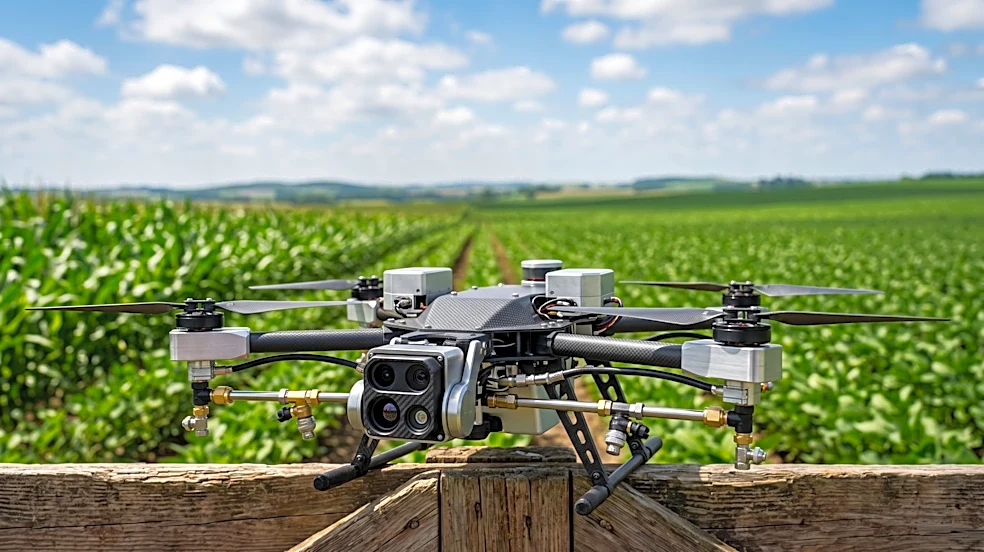
The strategic plan for Pennsylvania agriculture extends beyond immediate economic benefits, touching upon broader societal and environmental implications. By emphasizing modernization and innovation, the plan encourages the adoption of advanced technologies, such as robotic milkers used at Milky Way Farm, which can improve efficiency and animal welfare while reducing labor demands. The focus on sustainability and responsible land use planning reflects a growing awareness of environmental stewardship within the agricultural sector, aiming to protect natural resources and mitigate climate impacts. The plan's commitment to supporting new entrants and fostering educational pathways in agriculture addresses the demographic challenges facing farming, ensuring a continuous supply of skilled labor and innovative minds. This holistic approach aims to create a resilient agricultural ecosystem that not only sustains economic growth but also contributes to food security, community well-being, and environmental health for decades to come.