




What's Happening?
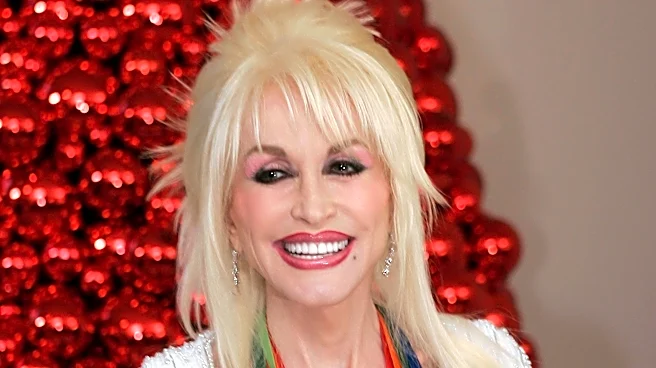
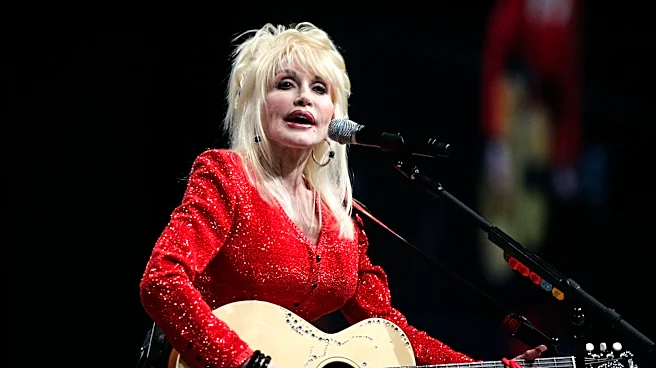
Senator Ted Cruz recently went viral on social media after an embarrassing incident involving a tribute post to Dolly Parton. The Senator shared a clip mourning the death of Dolly Parton, but the user who originally posted the clip had temporarily changed
their username to a crude and mocking reference to Cruz. This led to widespread ridicule and screenshots of the post circulating online. According to reports, Senator Cruz deleted the post approximately 17 hours after it was initially shared. The original X user later changed their username back and responded to Cruz's deleted post with a critical comment referencing his past political actions, specifically his stance on President Trump in 2016.
Why It's Important?
This incident highlights the volatile nature of social media and the potential for public figures to face immediate and widespread scrutiny. For Senator Cruz, it represents a moment of public embarrassment that quickly gained traction across various online platforms. Such events can impact a public figure's image, potentially undermining their credibility or making them a target for further online mockery. It also underscores the challenges politicians face in navigating digital spaces, where content can be manipulated or used against them unexpectedly. The rapid spread of the screenshots and the subsequent commentary demonstrate how quickly a seemingly innocuous post can turn into a viral moment of humiliation, affecting public perception and potentially distracting from more substantive political discourse.
Beyond the Headlines
Beyond the immediate embarrassment, this event touches upon broader themes of digital literacy and the performative aspects of online political engagement. Public figures often use social media to connect with constituents and express sentiments, but this incident reveals the inherent risks when engaging with content without thorough vetting. The ease with which a username can be changed and then reverted highlights a vulnerability in how information is consumed and shared online, especially by high-profile individuals. Furthermore, the incident reflects the ongoing political polarization and the readiness of online communities to seize upon opportunities to criticize or mock political figures, regardless of the original intent of their posts. It serves as a reminder of the constant vigilance required in the digital age for anyone in the public eye.