




What's Happening?
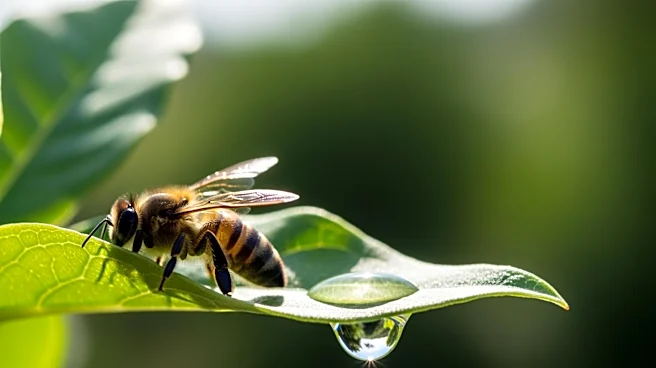
North America's bee swarm season has begun 17 days earlier than usual, attributed to warmer winters and climate change. This shift is causing concern among beekeepers and environmentalists, as it may exacerbate the challenges faced by bee populations,
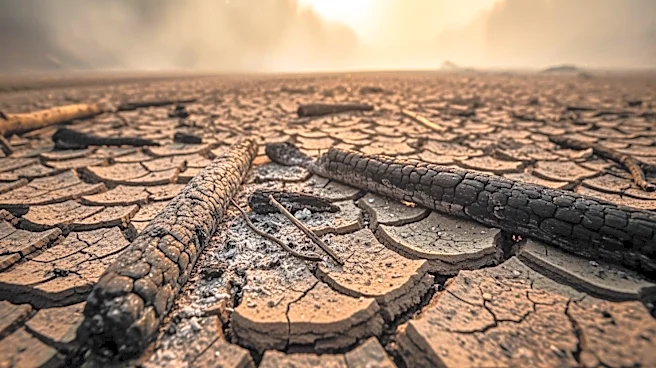
including the spread of the parasitic varroa mite. The early swarming is linked to record heatwaves and shorter winters, which disrupt the natural reproductive cycles of bees. This development follows a significant die-off of honeybee colonies last year, impacting the U.S. agriculture sector that relies heavily on bees for pollination.
Why It's Important?
The early onset of the bee swarm season highlights the broader impacts of climate change on ecosystems and agriculture. Bees play a critical role in pollinating crops, contributing significantly to agricultural productivity and food security. The disruption of their natural cycles due to climate change and the increasing resistance of varroa mites to control measures pose a threat to both managed and wild bee populations. This situation underscores the need for adaptive management strategies and increased research into sustainable beekeeping practices.
What's Next?
Beekeepers and researchers are likely to focus on developing new strategies to manage bee populations and mitigate the effects of climate change. This may include adjusting hive management practices, exploring alternative mite control methods, and enhancing habitat conservation efforts. The agricultural sector may also need to adapt to potential changes in pollination patterns and crop yields. Ongoing monitoring and research will be crucial in understanding and addressing the long-term implications of these environmental changes.