






What's Happening?
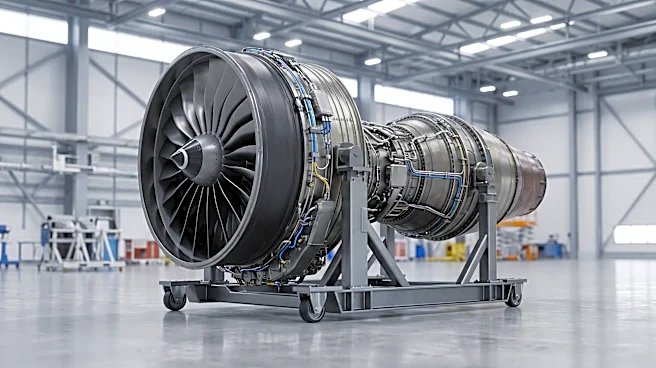
StandardAero has received an award from the U.S. Air Force (USAF) to implement its Maintenance Insight predictive maintenance and reliability tools for the F100-220 engine program. This engine powers over 175 F-15 aircraft. This award marks the fifth
engine type in the USAF fleet to receive Maintenance Insight support, solidifying StandardAero's role in applying data-driven maintenance technologies to military propulsion systems. The Maintenance Insight system, developed over two decades, is hosted within the USAF’s cloud computing environment and utilizes artificial intelligence, machine learning, and digital twin technologies to analyze engine failure modes and generate predictive insights. This technology provides propulsion teams with real-time information to assist with maintenance work scoping, deployment planning, and preventative maintenance decisions. StandardAero has previously collaborated with the USAF Propulsion team to develop diagnostic and predictive maintenance applications for other engine fleets, including the T56 (C-130 fleet), J85 (T-38), TF33 (B-52), and TF39 engines.
Why It's Important?
The expansion of StandardAero's predictive maintenance support to the F100-220 engine fleet is significant for U.S. national security and defense operations. By leveraging advanced AI, machine learning, and digital twin technologies, the USAF aims to enhance aircraft readiness and engine reliability, while simultaneously reducing maintenance costs and increasing the 'time on wing' for its F-15 aircraft. This initiative directly impacts the operational efficiency and effectiveness of a critical component of the U.S. air defense. Improved predictive capabilities mean fewer unexpected failures, which translates to more aircraft available for missions and a more predictable maintenance schedule. This approach can lead to substantial cost savings for taxpayers by optimizing maintenance efforts and extending the lifespan of expensive military assets. Furthermore, it strengthens the U.S. military's technological edge in aircraft maintenance and logistics, setting a precedent for future defense applications.
What's Next?
StandardAero intends to explore opportunities to extend its Maintenance Insight predictive maintenance solution to additional military engine platforms within the USAF, as well as to commercial aerospace fleets. This suggests a broader adoption of AI-driven predictive maintenance across both defense and civilian aviation sectors. The success of this program with the F100-220 engines will likely serve as a model for future implementations, potentially leading to more contracts for StandardAero and similar technology providers. The ongoing integration of these advanced tools will require continuous collaboration between defense contractors and the USAF to refine the technology and ensure its effectiveness across diverse operational environments. Future developments may also include further enhancements to the AI and machine learning models, incorporating more data sources and improving the accuracy of failure predictions.
Beyond the Headlines
The adoption of predictive maintenance technologies like StandardAero's Maintenance Insight represents a broader shift in how critical infrastructure, particularly in defense, is managed. This move from reactive or time-based maintenance to data-driven, predictive approaches highlights the increasing reliance on artificial intelligence and machine learning for operational efficiency and strategic advantage. Beyond the immediate benefits of cost reduction and increased readiness, this trend raises questions about data security in cloud environments, the ethical implications of AI in critical systems, and the evolving skill sets required for maintenance personnel. The integration of digital twin technology also signifies a move towards comprehensive digital representations of physical assets, enabling more sophisticated simulations and analyses. This technological evolution could fundamentally alter supply chain management, spare parts logistics, and the overall lifecycle management of complex machinery, extending beyond military applications to various industrial sectors.