




What's Happening?
The Federal Emergency Management Agency (FEMA) conducted a nationwide test of the Emergency Alert System (EAS) on radio and television stations. The test occurred around 2:20 p.m. and lasted approximately one minute. During the test, special tones were
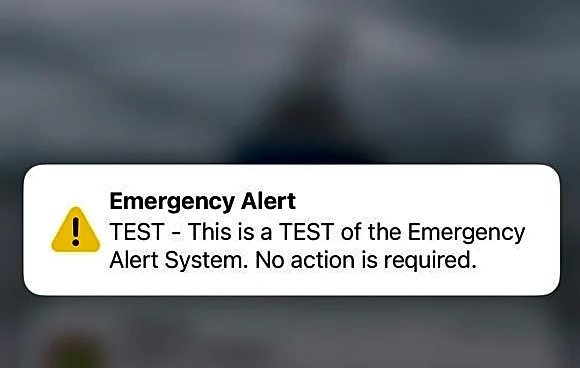
broadcast, followed by an announcement stating, 'This is a nationwide test of the Emergency Alert System, issued by the Federal Emergency Management Agency. This is only a test. No action is required by the public.' The announcement was also available in Spanish. This test is a mandatory exercise, required at least once every three years, to ensure the functionality of the EAS. Notably, this particular test did not extend to the Wireless Emergency Alerts (WEA) system, which FEMA is capable of using to send alerts directly to mobile phones.
Why It's Important?
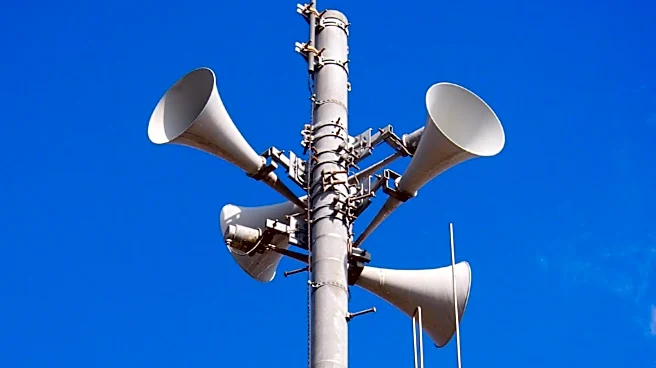
The regular testing of the Emergency Alert System is crucial for national preparedness and public safety. It ensures that in the event of a genuine national emergency, the government can effectively disseminate critical information to the public through traditional broadcast media. While modern communication increasingly relies on mobile devices, radio and television remain vital channels, especially in situations where cellular networks might be compromised or unavailable. The test helps identify any technical glitches or areas for improvement in the system, ensuring its reliability. The distinction between the EAS test and the Wireless Emergency Alerts system highlights the multi-layered approach to emergency communication in the U.S., aiming to reach as many people as possible through various platforms. A functional EAS is a cornerstone of disaster response and national security, providing a standardized method for authorities to communicate with citizens during crises.
What's Next?
Following the successful completion of the EAS test, normal programming resumed on radio and television stations. FEMA will likely analyze the results of this test to assess the system's performance and identify any areas that require technical adjustments or procedural refinements. As these tests are mandated every three years, the next nationwide EAS test will occur within that timeframe. While this test did not include the Wireless Emergency Alerts system, FEMA continues to maintain and periodically test that system independently. The ongoing evaluation and improvement of both EAS and WEA systems are continuous processes aimed at enhancing the nation's ability to deliver timely and accurate emergency information to the public, adapting to technological advancements and evolving communication habits.
Beyond the Headlines
Beyond the immediate function of testing emergency communication, this event underscores the enduring role of traditional media in a digital age. Despite the proliferation of smartphones and social media, the government still relies on radio and television as foundational elements of its emergency alert infrastructure. This highlights a recognition that not all citizens have access to or rely solely on digital platforms, and that diverse communication channels are essential for comprehensive public outreach during crises. The test also serves as a subtle reminder to the public about the importance of having multiple sources for emergency information. It implicitly encourages citizens to be aware of and prepared for various forms of alerts, reinforcing the broader concept of community resilience and individual readiness in the face of potential emergencies, whether natural disasters or other national threats.