







What's Happening?
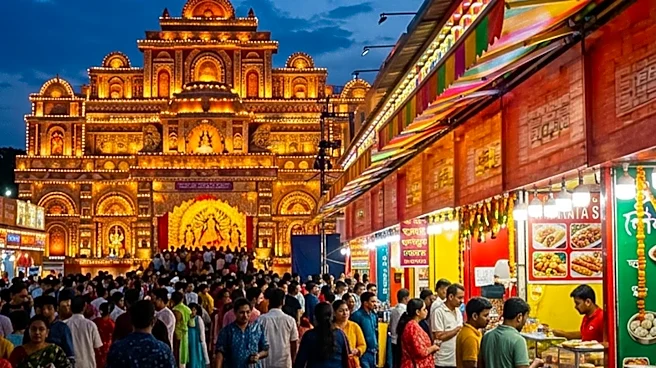
India's tourism industry is grappling with significant challenges, including issues of civic sense, cleanliness, last-mile connectivity, and standardized safety protocols, despite being named Travel + Leisure's Destination of the Year for 2027. The country
is still trailing its 2019 foreign tourist arrival numbers, with approximately 9.15 million arrivals compared to 10.93 million. While there's a growing interest in experiential travel beyond the traditional Golden Triangle circuit, focusing on wildlife, islands, heritage, and the Himalayas, the on-ground infrastructure and traveler experience need substantial improvement. Concerns about plastic litter on mountain trails, unmaintained public spaces, and unpredictable transfers to remote areas are hindering the sector's potential. The industry recognizes that while global recognition opens doors, sustained growth depends on addressing these fundamental issues to ensure visitors return.
Why It's Important?
The recognition of India as a top global destination for 2027 presents a significant opportunity for economic growth and job creation within the country. However, the current shortcomings in civic infrastructure, waste management, and safety standards could undermine this potential. Failure to address these issues could lead to negative tourist experiences, damaging India's reputation as a travel destination and hindering its ability to convert global spotlight into sustained tourism growth. The emphasis on experiential travel highlights a shift in tourist preferences towards authentic and offbeat experiences, which, if properly managed, could distribute tourism benefits more widely across different regions of India, rather than concentrating them in a few well-known spots. This also underscores the importance of local communities and their role in maintaining the integrity and appeal of these destinations.
What's Next?
To capitalize on its 2027 Destination of the Year title, India's tourism sector must prioritize improvements in three key areas: civic sense and cleanliness, last-mile connectivity and carrying capacity, and standardized safety and permits. This will involve collaborative efforts from the government, local communities, and tourism operators. Investments in waste management infrastructure, better transportation to remote areas, and clear safety protocols are crucial. Simplifying visa processes, which has already begun, is a positive step, but it must be complemented by a reliable and enjoyable on-ground experience. The focus will be on delivering a 'real India' experience that is clean, safe, and accessible, ensuring that the global attention translates into repeat visits and sustainable growth for the industry.
Beyond the Headlines
The challenges faced by India's tourism sector extend beyond mere logistical issues; they touch upon deeper societal and environmental concerns. The problem of 'overtourism' in fragile zones, if not managed effectively, could lead to irreversible environmental degradation and cultural erosion. The call for improved 'civic sense' among travelers and locals alike points to a need for greater awareness and responsibility regarding environmental preservation and public conduct. This situation highlights the delicate balance between promoting tourism for economic benefit and protecting natural and cultural heritage. The success of India's tourism in the long term will depend on its ability to foster a sustainable tourism model that respects both the environment and local communities, ensuring that growth does not come at the expense of authenticity or ecological well-being.