





What's Happening?
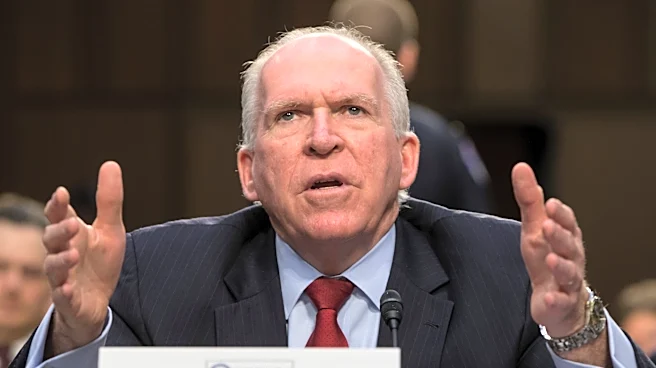
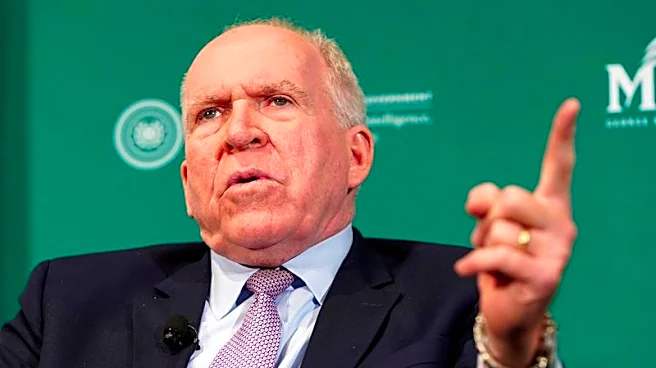
Former CIA Director John Brennan has filed a lawsuit against the Trump administration, seeking a court order to preserve records from investigations he claims are targeting him for 'phantom criminal conduct.' Brennan argues that these records are crucial
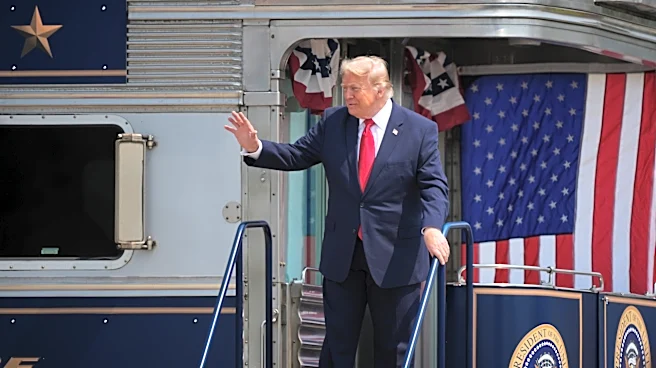
for his defense against potential future indictments, which he believes are motivated by vindictive prosecution. The lawsuit highlights over 100 statements made by President Trump since 2017, criticizing Brennan and directing the Department of Justice to pursue cases without factual or legal justification. Brennan's legal team contends that a judge would need to examine the motivations of Justice Department officials to determine if they violated Brennan's rights through retributive actions. The lawsuit names President Trump and other top law enforcement officials, including acting Attorney General Todd Blanche and FBI Director Kash Patel, as defendants. Brennan is reportedly under investigation for allegedly making false statements to Congress regarding Russian interference in the 2016 election and for potentially conspiring to undermine Trump during the Russian interference investigation. No charges have been filed, and the Department of Justice has denied claims of weaponization.
Why It's Important?
This lawsuit underscores ongoing tensions between former intelligence officials and the Trump administration, highlighting concerns about the politicization of the justice system. Brennan's case raises questions about the use of government power to target political adversaries, which could have significant implications for the integrity of U.S. legal and political institutions. If Brennan's claims of vindictive prosecution are substantiated, it could lead to increased scrutiny of the Trump administration's actions and potentially impact future administrations' handling of political dissent. The outcome of this case may influence public trust in the justice system and the perceived impartiality of federal investigations, affecting how future administrations interact with intelligence and law enforcement agencies.
What's Next?
The lawsuit will proceed in federal court, where a judge will determine whether to grant Brennan's request for record preservation. This decision could set a precedent for how similar cases are handled in the future, particularly regarding the preservation of records in politically sensitive investigations. The case may also prompt reactions from political leaders and civil society groups concerned about the implications for justice and accountability. Depending on the court's ruling, there could be further legal challenges or calls for legislative action to address the issues raised by Brennan's lawsuit.