






What's Happening?
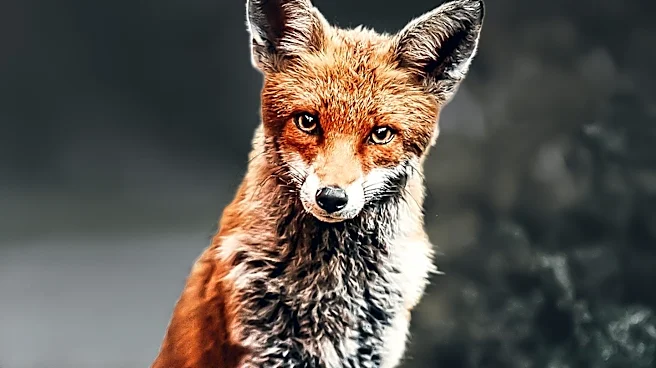
Foxes are scientifically classified within the Canidae family, commonly known as the dog family, making them more closely related to dogs, wolves, and coyotes than to cats. Despite some physical similarities to felines, such as pointed ears and certain
facial features, their biological classification firmly places them among canids. This distinction is crucial for accurate understanding in academic, wildlife management, and general public contexts. Foxes are wild animals with their own unique species and characteristics, and are not considered domestic dogs. Their evolutionary history and biological relationships define their classification, rather than superficial resemblances to other animals. The Canidae family encompasses various types of animals, including foxes, wolves, coyotes, and domestic dogs, all sharing a common lineage.
Why It's Important?
Understanding the correct classification of foxes is important for several reasons, particularly in wildlife research, environmental management, and public education. Accurate classification helps wildlife researchers study fox behavior, habitats, diet, and their interactions within ecosystems more effectively. For environmental professionals, this knowledge is vital for managing fox populations and understanding their role in the broader ecological balance. In public discourse and education, clarifying that foxes are canids helps dispel common misconceptions that can arise from their appearance, which sometimes leads people to mistakenly associate them with cats. This accurate information supports informed discussions about wildlife, prevents misidentification, and promotes a deeper appreciation for biological diversity and scientific taxonomy. It also impacts how people interact with these animals, recognizing them as wild canids rather than domesticated pets or felines.
What's Next?
Continued educational efforts will likely focus on reinforcing the scientific classification of foxes as canids to the public, especially in educational settings and through wildlife conservation programs. As interest in wildlife and animal classification remains high, particularly with the prevalence of animal-related content on social media, there will be ongoing opportunities to correct misinformation. Wildlife organizations and educational institutions may develop more accessible resources to explain these biological distinctions. For students and beginners in zoology, ecology, and veterinary science, a foundational understanding of animal families, including the Canidae family, will remain a critical starting point. This ongoing clarification will help foster a more accurate and nuanced understanding of the natural world.
Beyond the Headlines
The persistent confusion regarding fox classification highlights a broader challenge in public understanding of scientific taxonomy, where visual similarities can often override biological relationships. This phenomenon extends beyond foxes to many other species, underscoring the need for accessible scientific literacy. The way people perceive and categorize animals can influence conservation efforts, public policy regarding wildlife, and even personal interactions with wild creatures. Emphasizing biological relationships over superficial appearances encourages a more scientific and less anthropocentric view of nature. This deeper understanding can lead to more effective wildlife management strategies and a greater respect for the intricate web of life, moving beyond simple visual cues to appreciate the complex evolutionary paths that define each species.