








What's Happening?
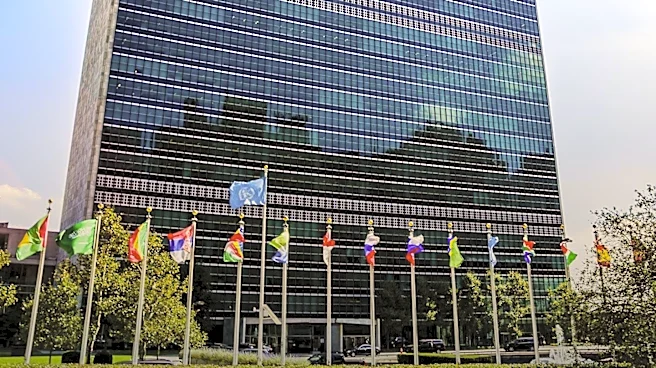
The United Nations has officially published the 'Samarkand Vision 2040: Global Cooperation for Human Dignity, Equality and Sustainable Development' as an official document of the 81st session of the General Assembly. This document, which emerged from
the Fifth Samarkand Forum on Human Rights held in Uzbekistan, is now available in all six official UN languages. It comprises a preamble, six sections, and 24 paragraphs, accompanied by a roadmap for its implementation. The 'Samarkand Vision 2040' outlines six guiding principles and nine priority areas for action, including the implementation of international treaties at the national level, the right to development and social justice, building inclusive societies, addressing demographic change, promoting women's rights and climate justice, navigating the digital environment and artificial intelligence, environmental protection, preventing statelessness, and upholding peace, security, and international humanitarian law. The document also references the 2030 Agenda for Sustainable Development and the 2024 Pact for the Future.
Why It's Important?
The publication of 'Samarkand Vision 2040' as an official UN document signifies a global commitment to a comprehensive human rights and sustainable development agenda for the next two decades. This framework provides a unified vision for member states to address pressing global challenges, from social inequality and climate change to the ethical implications of artificial intelligence. By setting out clear guiding principles and priority areas, it offers a roadmap for national governments and international organizations to align their policies and initiatives. The emphasis on implementing international treaties at the national level underscores the importance of domestic action in achieving global goals. Furthermore, the document's focus on emerging issues like the digital environment and AI highlights the UN's recognition of new frontiers in human rights and development, aiming to ensure that technological advancements serve humanity equitably. This initiative could influence international aid, development programs, and national legislative efforts, fostering a more coordinated approach to global well-being.
What's Next?
The 'Samarkand Vision 2040' includes a roadmap for its implementation, which is indicative and voluntary in nature. In 2027, a system of indicators for the priority areas is slated for development, alongside consultations on the concept of a digital platform to support the vision. Between 2027 and 2030, the document's provisions are expected to be integrated into national strategies and action programs by member states. The roadmap also schedules a first voluntary progress review in 2028 and an assessment in 2030 to evaluate the document's connections with the Sustainable Development Goals. Looking further ahead, a commemorative review is planned for 2036, marking significant anniversaries of international human rights covenants, with a final voluntary review anticipated in 2040. Uzbekistan's National Centre for Human Rights has been designated as the implementing body for several measures outlined in the roadmap, indicating a sustained effort to translate the vision into tangible outcomes.
Beyond the Headlines
The 'Samarkand Vision 2040' represents more than just a policy document; it embodies a long-term strategic outlook for global governance and human progress. Its comprehensive scope, addressing issues from climate justice to the digital environment, reflects an understanding that modern challenges are interconnected and require holistic solutions. The voluntary nature of the roadmap, while allowing for national flexibility, also places a significant onus on individual states to commit to its principles. The emphasis on reforming international financial architecture and reallocating military spending towards human development, as discussed in related UN forums, suggests a growing recognition of the need for systemic changes to achieve these ambitious goals. This vision could catalyze a shift in international priorities, encouraging greater investment in social infrastructure, environmental protection, and equitable technological access, ultimately shaping the ethical and practical frameworks for global cooperation in the coming decades.