
What's Happening?
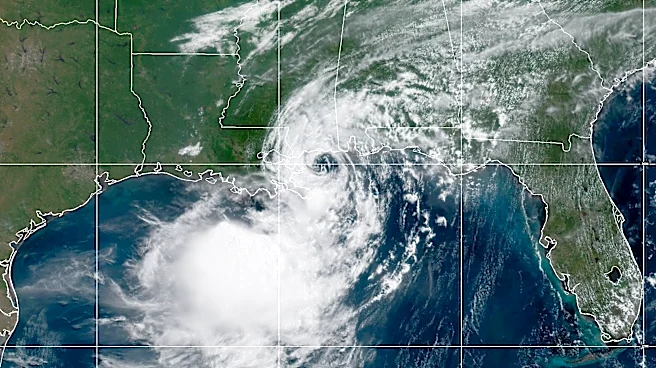
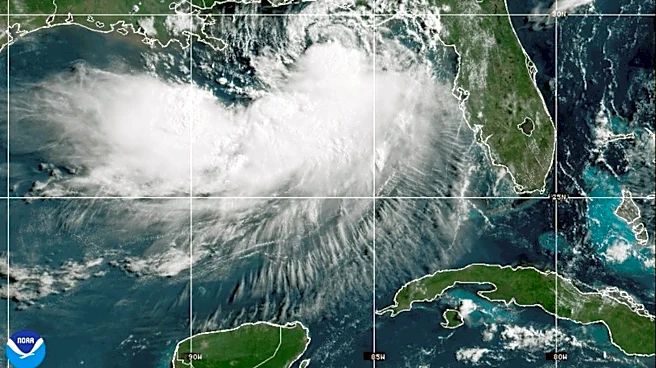
As Tropical Storm Bertha nears the Gulf Coast, emergency officials are urging residents to prepare for potential impacts. Experts recommend that households be self-sufficient for at least 72 hours during
a hurricane, emphasizing the importance of having both a 'go-kit' for evacuations and a 'stay-at-home kit.' Essential supplies include water, non-perishable food, a first-aid kit, and a hand-crank radio. The USA TODAY Shopping team consulted with emergency preparedness experts, including those from the American Red Cross, to identify key items for hurricane preparedness. These include an emergency radio, a portable power bank, and a well-stocked first aid kit. The Atlantic Hurricane Season, which runs from June 1 to November 30, is entering its busiest period, with the peak expected from August to mid-October.
Why It's Important?
The guidance from emergency experts is crucial as it helps residents prepare effectively for the potential disruptions caused by hurricanes. By ensuring that households have the necessary supplies, individuals can better manage during power outages, flooding, and evacuations. This preparedness can mitigate the impact on public services and reduce the strain on emergency responders. Additionally, having a well-prepared community can lead to fewer injuries and fatalities during severe weather events. The economic implications are also significant, as better-prepared communities can recover more quickly, reducing the long-term economic impact of such natural disasters.
What's Next?
Residents in the Gulf Coast region are advised to monitor weather updates and follow guidance from local authorities. As Tropical Storm Bertha is expected to make landfall in southeastern Louisiana, preparations should be completed promptly. This includes securing homes, ensuring vehicles are fueled, and having communication plans in place. Emergency services and local governments will likely increase their readiness levels, and residents should stay informed through trusted weather sources. The National Oceanic and Atmospheric Administration (NOAA) will continue to provide updates on the storm's trajectory and intensity.
Beyond the Headlines
The emphasis on preparedness highlights the broader issue of climate resilience. As climate change potentially increases the frequency and intensity of storms, communities must adapt to these challenges. This includes not only individual preparedness but also infrastructure improvements and policy changes to enhance resilience. The role of technology in emergency management is also evolving, with innovations in communication and data analysis playing a critical role in disaster response and recovery.