








What's Happening?
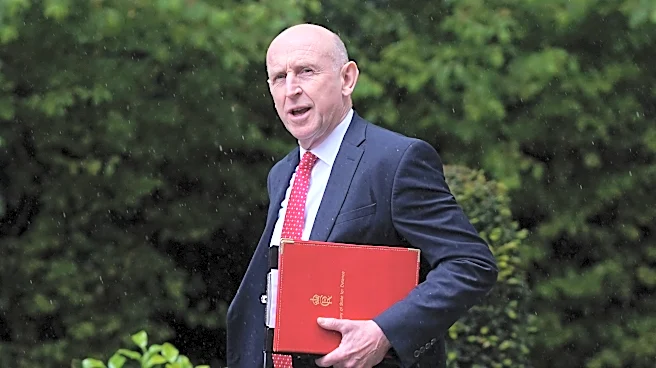
U.K. Defense Secretary John Healey resigned unexpectedly, citing insufficient government spending on the military amid rising global threats. Healey criticized the government's Defense Investment Plan, which he claims falls short of necessary funding
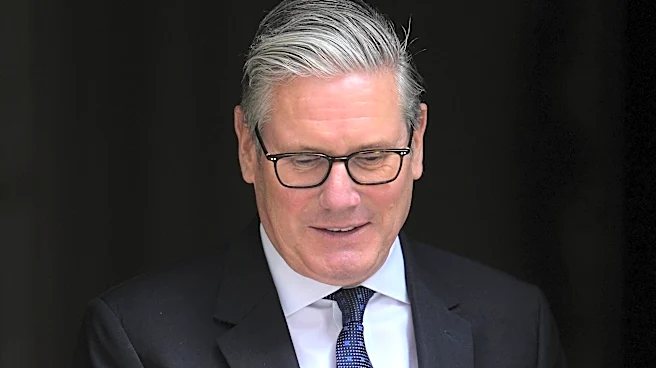
levels. His resignation adds pressure on Prime Minister Keir Starmer, who is already facing internal party demands to step down. The resignation was followed by Al Carns, a junior minister, who also expressed dissatisfaction with the defense budget. The government has pledged to increase defense spending to 2.5% of GDP by 2027 and 3% by 2035, but critics argue this is insufficient given current global security challenges.
Why It's Important?
Healey's resignation highlights significant tensions within the U.K. government regarding defense spending, which could affect the country's international standing and its commitments to NATO. The move may weaken Prime Minister Starmer's leadership, as it underscores internal disagreements and could lead to further political instability. The U.K.'s defense strategy is crucial, especially in light of ongoing conflicts such as the war in Ukraine and threats from Russia. The resignation may also influence future defense policies and spending priorities, impacting the U.K.'s role in global security alliances.
What's Next?
The resignation could trigger a leadership challenge within the Labour Party, with figures like Greater Manchester Mayor Andy Burnham potentially contesting Starmer's position. The government will need to address the defense spending concerns to maintain its credibility and support within NATO. The appointment of Dan Jarvis as the new defense secretary may lead to policy shifts or attempts to reconcile the differences between the Defense Ministry and the Treasury. The situation will be closely watched by international allies and adversaries, as it may affect the U.K.'s defense commitments and strategic partnerships.