






What's Happening?
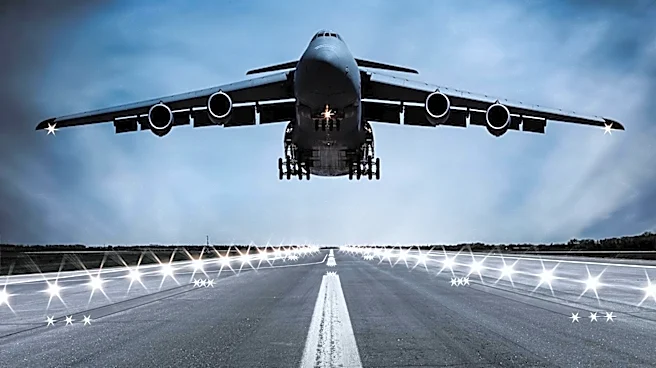
HII's mission technologies division has been awarded a five-year task order by the U.S. Army to advance research in airdrop and combat feeding techniques. This initiative aims to enhance both cargo and personnel airdrop systems for crewed and uncrewed
aircraft. The program focuses on improving the reliability and safety of airdrop equipment and strengthening interoperability between various delivery systems. Key aspects of the contract include integrating advanced sensing technologies, autonomous capabilities, and cybersecurity protections to counter environmental and operational threats. These efforts are designed to ensure that supplies and rations can be effectively delivered to soldiers, even in challenging or contested environments. The project is part of the Information Analysis Centre Multiple Award Contract (IAC MAC), administered by the Defense Technical Information Center for the U.S. Army Combat Capabilities Development Command Soldier Center. HII currently has nearly 60 active task orders under the IAC MAC program.
Why It's Important?
This contract is significant for U.S. military logistics and operational capabilities. By enhancing airdrop technologies, the U.S. Army can improve its ability to resupply troops in remote, dangerous, or inaccessible locations, which is crucial for mission success and soldier safety. The integration of advanced sensing, autonomous capabilities, and cybersecurity will make these systems more resilient and effective against modern threats, reducing risks to personnel involved in supply chain operations. This investment in advanced airdrop systems also reflects a broader strategic shift towards more agile and technologically sophisticated logistical support in military operations. For HII, securing this five-year contract solidifies its position as a key defense contractor and highlights the growing demand for specialized technological solutions in military applications, potentially leading to further innovation and job creation within the defense sector.
What's Next?
Over the next five years, HII will focus on developing and implementing the advanced airdrop and combat feeding technologies outlined in the contract. This will involve continuous research, development, and testing of new systems and enhancements. The company will work to integrate advanced sensing technologies, autonomous features, and robust cybersecurity measures into both crewed and uncrewed airdrop platforms. The U.S. Army will likely conduct trials and evaluations of these new technologies to assess their effectiveness and readiness for deployment. Successful implementation could lead to the widespread adoption of these enhanced airdrop systems across various military units, potentially influencing future procurement decisions and defense spending on logistical support. HII's ongoing involvement with the IAC MAC program suggests a continued partnership with the U.S. Army in developing critical defense technologies.
Beyond the Headlines
The development of advanced airdrop technologies has broader implications beyond immediate military logistics. Enhanced precision and autonomous capabilities in airdrop systems could eventually find applications in humanitarian aid and disaster relief operations, allowing for the delivery of critical supplies to affected areas that are otherwise difficult to reach. The focus on cybersecurity in these systems also underscores the increasing importance of protecting military infrastructure from digital threats, a concern that extends to all aspects of modern warfare. Furthermore, the contract highlights the continuous evolution of military technology, where the line between crewed and uncrewed operations is becoming increasingly blurred, pushing the boundaries of autonomous systems in critical support roles. This could also spur innovation in related fields such as drone technology, materials science for lighter and stronger cargo systems, and advanced navigation systems.