
What's Happening?
A recent poll conducted by Embold Research for A Better Cambridge and Abundant Housing Massachusetts indicates a significant demand for affordable housing in Cambridge. The poll found that a majority of
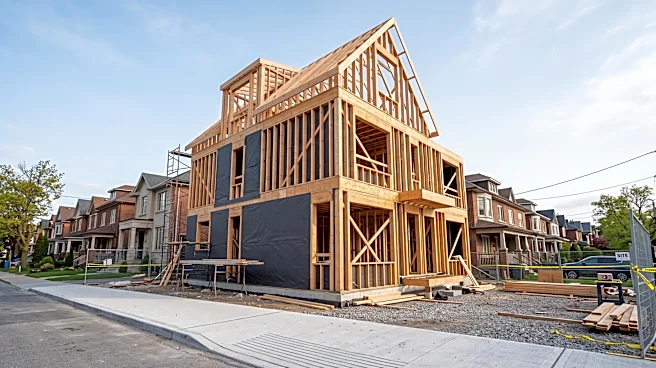
Cambridge voters want the City Council to prioritize the production of affordable housing. Eight out of ten residents reported being personally affected by the cost or availability of housing in the city, and an equal number stated that affordable housing should be a 'top priority' or the 'single top priority' for the city council. Approximately 65% of Cambridge renters expressed interest in a hypothetical political candidate who would prioritize building more homes in the area, with this sentiment rising to 72% among younger voters aged 18-34. The poll also specifically addressed the 2025 Multifamily Housing Ordinance, which allowed multifamily housing in all Cambridge residential neighborhoods for the first time. Around 64% of voters supported this ordinance, with 79% of renters and 86% of voters aged 18-34 approving of the policy.
Why It's Important?
This poll highlights a critical and widespread concern regarding housing affordability in Cambridge, reflecting a national trend in many desirable urban areas. The strong voter mandate for prioritizing affordable housing development signals a potential shift in local political landscapes, where candidates who champion housing initiatives may gain significant electoral advantage. The support for the Multifamily Housing Ordinance, particularly among renters and younger demographics, indicates a public willingness to embrace zoning changes that could increase housing supply. This has significant implications for urban planning, real estate development, and social equity, as it suggests a pathway to address housing shortages and reduce cost burdens on residents. For developers, it signals a favorable environment for multifamily projects, while for residents, it offers hope for more accessible and affordable living options, potentially mitigating displacement and fostering a more diverse community.
What's Next?
Given the strong public sentiment, the Cambridge City Council is likely to face increased pressure to accelerate affordable housing production and potentially consider further zoning reforms. Political candidates in upcoming elections may prominently feature affordable housing in their platforms to appeal to the majority of voters. Advocacy groups like A Better Cambridge and Abundant Housing Massachusetts will likely leverage these poll results to push for more aggressive housing policies and funding. The continued implementation and potential expansion of policies like the Multifamily Housing Ordinance could lead to a significant increase in housing units, particularly those designed to be affordable. This sustained focus on housing development could influence other U.S. cities grappling with similar affordability crises, potentially inspiring similar policy shifts and public engagement efforts.