


What's Happening?
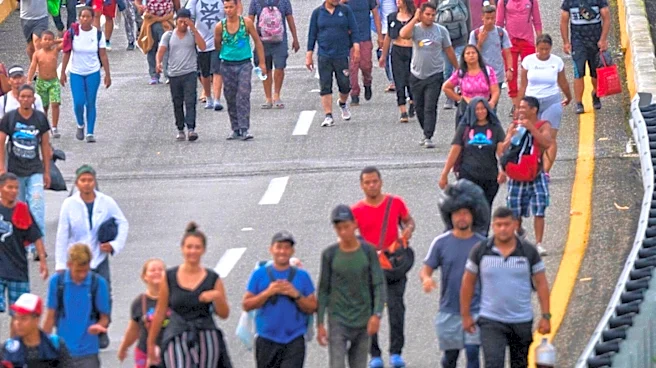
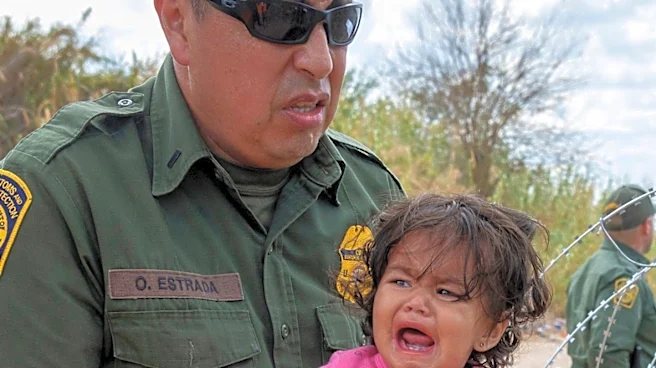
President Trump's administration has implemented a comprehensive strategy to reshape U.S. immigration policy, focusing on mass deportations and limiting legal immigration pathways. This approach includes increased funding for immigration enforcement,
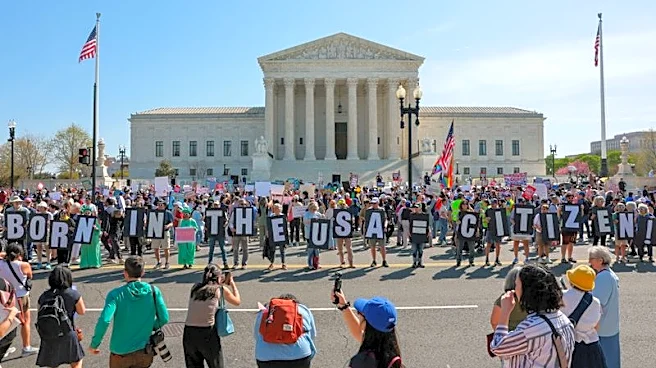
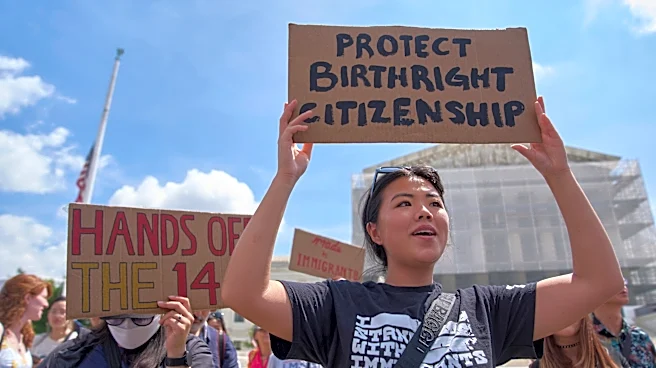
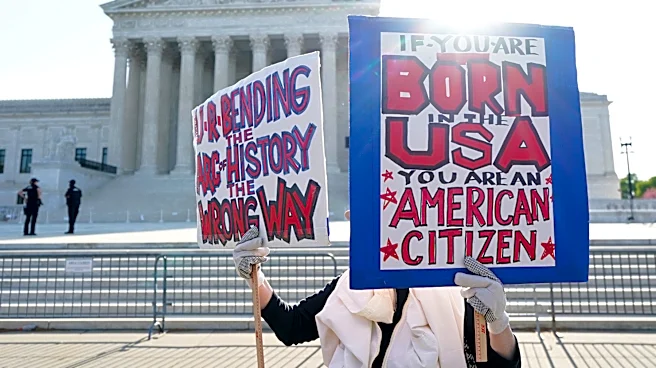
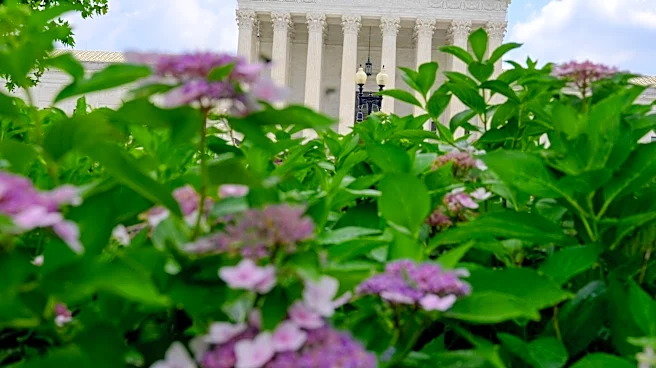
restructuring immigration courts, and expanding detention facilities. The strategy has faced legal challenges, with some measures being blocked by district courts, while others, such as ending Temporary Protected Status for certain groups, have been upheld by the Supreme Court. The administration's efforts to revoke birthright citizenship have also been a focal point, with the Supreme Court recently upholding the constitutional right to birthright citizenship, countering a Trump executive order.
Why It's Important?
The administration's immigration policies have significant implications for millions of immigrants and the broader U.S. society. By restricting legal pathways and increasing deportations, these policies could lead to workforce shortages in industries reliant on immigrant labor and affect the social fabric of communities with large immigrant populations. The legal battles surrounding these policies highlight the ongoing tension between executive power and judicial oversight, with potential long-term impacts on U.S. immigration law and policy.
What's Next?
The administration is expected to continue pursuing its immigration agenda, potentially leading to further legal challenges and public debate. Advocacy groups and immigrant communities are likely to intensify their efforts to oppose these policies, seeking legislative and judicial remedies. The outcome of these efforts could shape the future of U.S. immigration policy and influence the political landscape, particularly as immigration remains a contentious issue in American politics.