
What's Happening?
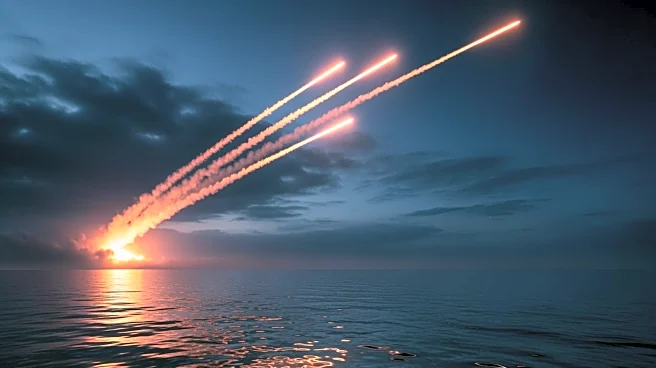
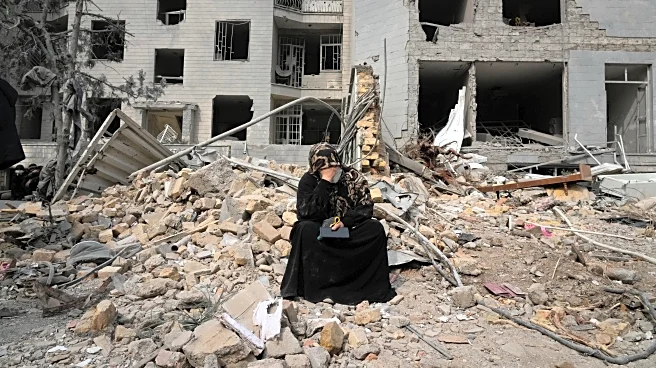
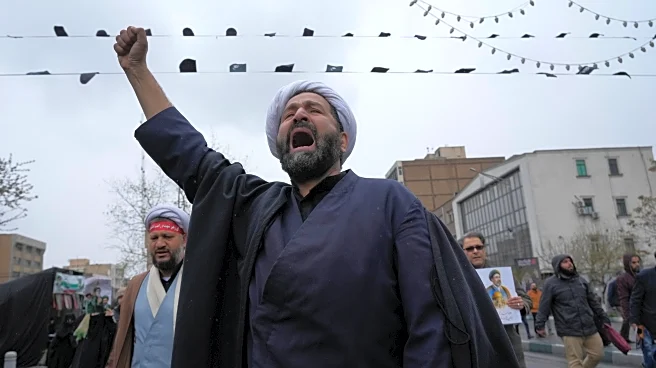
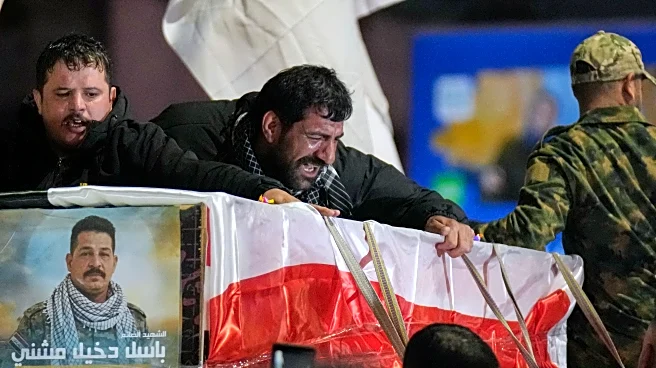
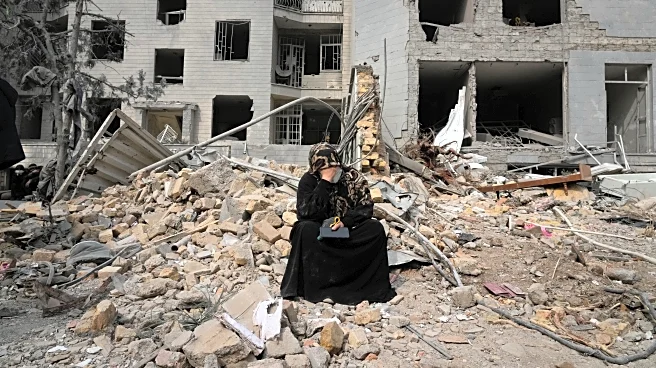
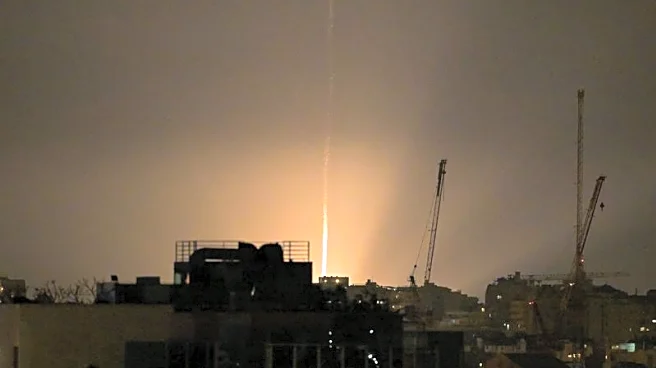
As the war between the U.S.-Israel and Iran continues, many Iranians are contemplating whether to flee their country. The conflict has displaced approximately 3.2 million people, according to the U.N. refugee agency. While some Iranians are seeking refuge in safer
parts of Iran or neighboring countries, others are returning home to protect their families and property. The International Organization for Migration reports limited movement out of Iran, as people prioritize family safety and face logistical constraints. Iran's neighbors, including Turkey and Iraq, are preparing for a potential refugee crisis by fortifying borders and planning shelters.
Why It's Important?
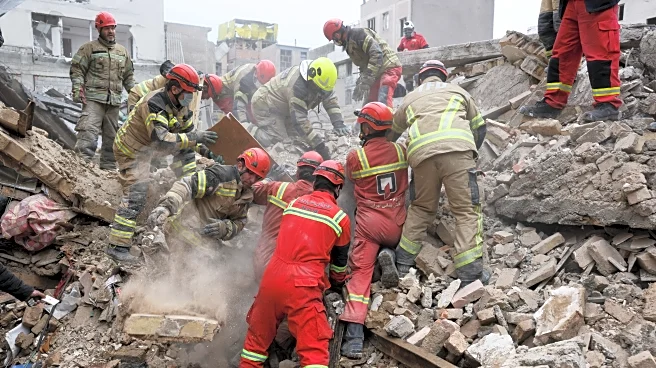
The ongoing conflict poses a significant risk of a humanitarian crisis, with potential mass migration affecting Iran's neighbors and Europe. The displacement of millions could strain resources and infrastructure in neighboring countries, leading to political and social challenges. The situation highlights the vulnerability of Iran's critical infrastructure, which, if destroyed, could exacerbate the crisis. The international community may need to address the potential refugee influx and provide humanitarian aid to mitigate the impact.
What's Next?
Iran's neighbors are bracing for increased migration, with Turkey implementing border fortifications and preparing contingency plans for refugee shelters. The European Union may need to renew migration deals with Turkey to manage potential refugee flows. The continuation of the conflict could lead to further displacement and require coordinated international efforts to address the humanitarian needs of affected populations.