




What's Happening?
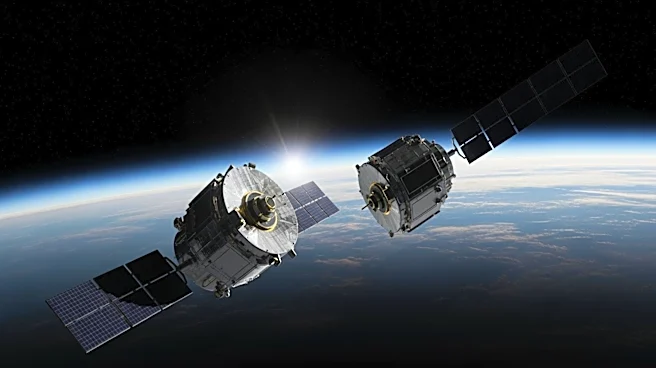
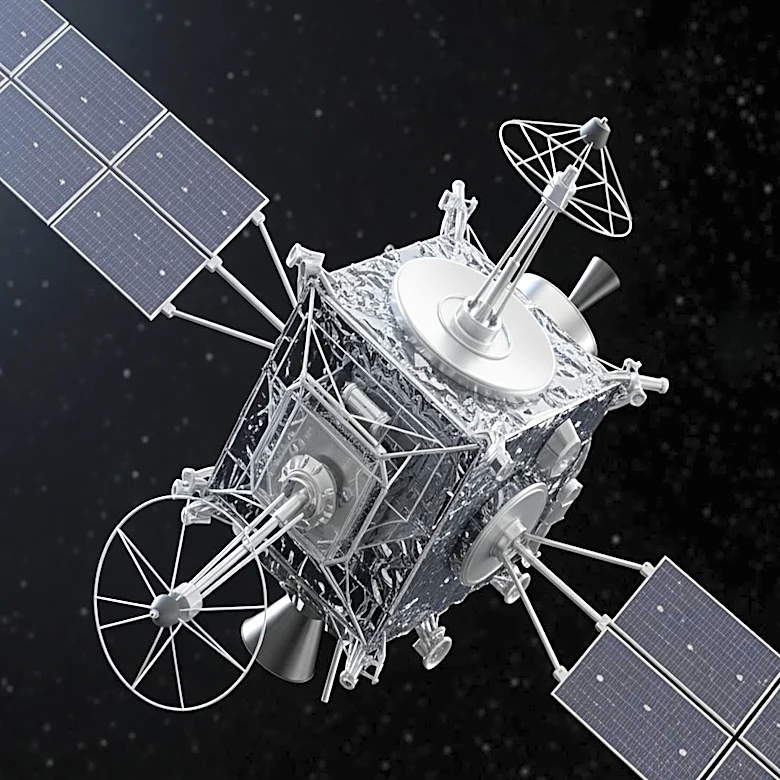
A recent study led by Sarah Thiele from Princeton University, published on arXiv, highlights the fragility of satellite operations in low Earth orbit. The research introduces the Collision Realization And Significant Harm (CRASH) Clock, which estimates
that a major collision could occur in as little as 2.8 days if satellite operators lose the ability to coordinate or maneuver spacecraft. The study emphasizes the increased risk due to the high density of satellites and debris, particularly from mega-constellations like Starlink. The research also points out that solar storms could exacerbate the situation by disrupting tracking and communication systems, leading to potential catastrophic collisions.
Why It's Important?
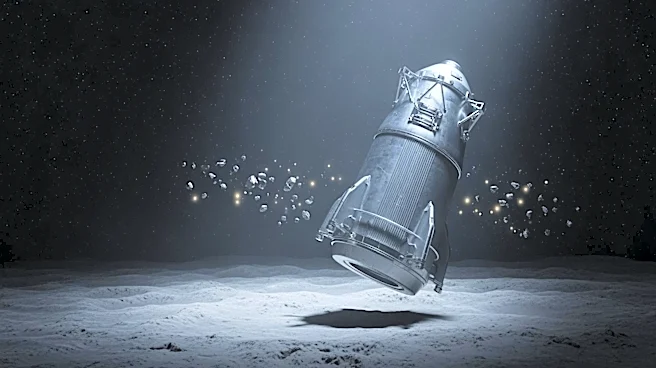
The findings underscore the growing challenges in managing the crowded low Earth orbit environment. With the rapid expansion of satellite networks, the risk of collisions has increased significantly, posing a threat to global communications, navigation, and weather forecasting systems. The study's implications are critical for satellite operators and policymakers, as a single collision could generate thousands of debris fragments, leading to further collisions and potentially rendering parts of space unusable. This situation highlights the need for improved satellite management and collision avoidance strategies to ensure the safety and sustainability of space operations.
What's Next?
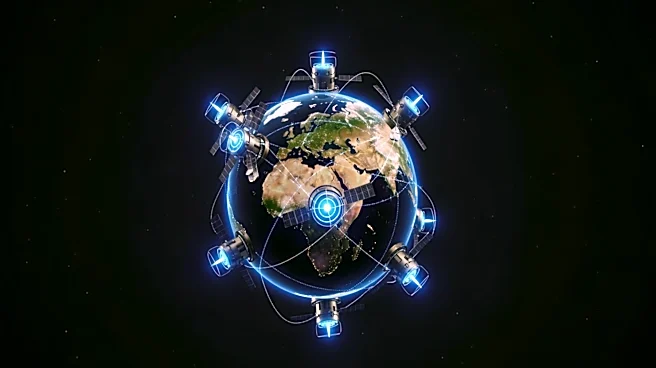
The study suggests that satellite operators and regulatory bodies need to enhance coordination and develop robust systems to manage the increasing density of satellites. This includes improving tracking and communication systems to prevent potential collisions. Additionally, there may be a need for international cooperation to establish guidelines and protocols for satellite operations, especially during solar storms or other disruptive events. The research calls for a reevaluation of current practices to prevent a sudden and severe breakdown in orbital safety.
Beyond the Headlines
The study raises ethical and legal questions about the responsibility of satellite operators in preventing collisions and managing space debris. As the number of satellites continues to grow, there is a need for clear regulations and accountability measures to address the potential risks. The research also highlights the long-term implications of increased satellite density, which could lead to a more congested and hazardous space environment, affecting future space exploration and commercial activities.