






What's Happening?
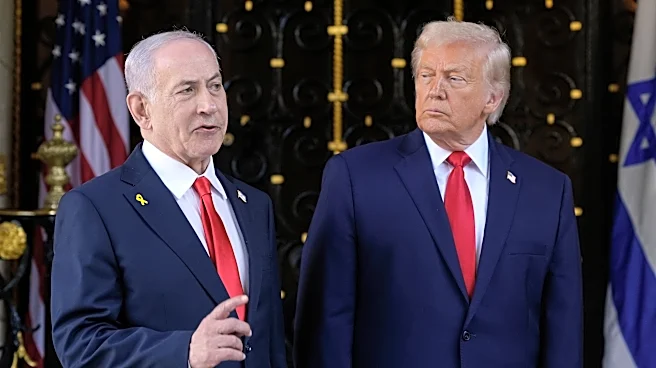
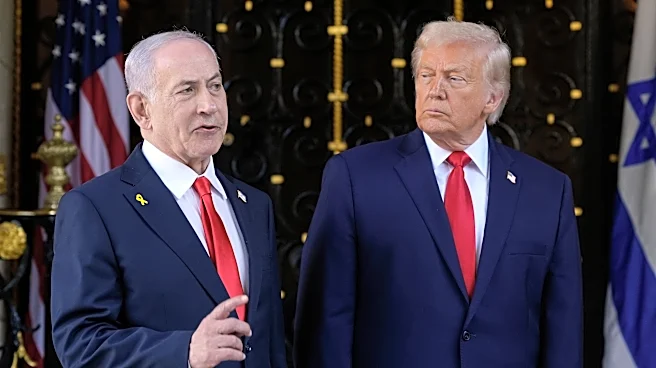
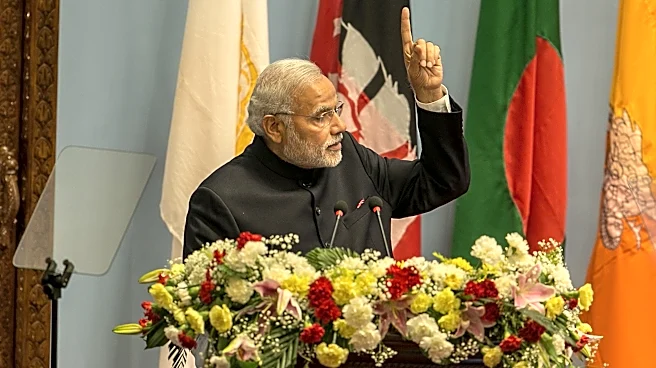
The United States is a member of the Indo-Abrahamic alliance, known as I2U2, which also includes India, Israel, and the United Arab Emirates. This grouping is recognized by the Ministry of External Affairs, Government of India, as a key initiative. The I2U2 is part
of a broader shift in India's foreign policy, termed 'Think West,' which aims to expand engagement beyond traditional energy and trade relationships to include security, technology, infrastructure, and diplomacy across West Asia. The alliance represents a move towards minilateralism, where India participates in smaller multilateral groupings to enhance its strategic partnerships. This framework positions West Asia as a region of significant opportunity for economic growth, infrastructure development, technological cooperation, and investment. The I2U2's formation reflects evolving security alignments in the Middle East, where regional powers are developing partnerships amidst a changing landscape of external power involvement.
Why It's Important?
The I2U2 grouping is significant for U.S. foreign policy as it fosters a strategic alignment with key partners in the Indo-Pacific and Middle East regions. This alliance allows the U.S. to engage in a multilateral framework that addresses shared security and economic interests, particularly in West Asia. For the U.S., participation in I2U2 can enhance regional stability, promote economic cooperation, and counter potential challenges from other regional blocs. It also supports the U.S. objective of strengthening partnerships with countries that share democratic values and economic goals. The alliance can facilitate joint initiatives in areas like technology, trade, and infrastructure, potentially leading to new investment opportunities and economic growth for member nations. Furthermore, it provides a platform for coordinated responses to regional security threats, contributing to broader U.S. strategic objectives in the Middle East and beyond.
What's Next?
The I2U2 grouping is expected to continue its focus on strengthening cooperation in various sectors, including trade, investment, water, energy, transportation, space, health, and food security. Future initiatives may involve joint projects that leverage the technological and economic strengths of each member country. The alliance could also play a role in addressing regional security concerns, potentially through coordinated diplomatic efforts or joint ventures in defense technology. As the Middle East security landscape continues to evolve, the I2U2 may adapt its agenda to address emerging challenges and opportunities, further solidifying its role as a key minilateral forum. Continued engagement among member states is anticipated to foster deeper strategic partnerships and collaborative solutions to regional and global issues.
Beyond the Headlines
The I2U2 alliance signifies a broader geopolitical trend towards multi-alignment and minilateralism, where countries form smaller, focused groupings to address specific strategic interests. This approach allows the U.S. to engage in flexible partnerships that complement existing bilateral and multilateral relationships. The alliance also highlights the increasing interconnectedness of the Indo-Pacific and Middle East regions, blurring traditional geographical boundaries in strategic planning. Ethically, the grouping could face challenges in balancing the diverse interests and geopolitical sensitivities of its members, particularly concerning regional conflicts and human rights issues. Legally, future agreements and joint projects within I2U2 may require complex frameworks to ensure compliance with international laws and regulations. Culturally, the alliance fosters greater understanding and cooperation among diverse nations, potentially leading to long-term shifts in regional dynamics and global power structures.