







What's Happening?
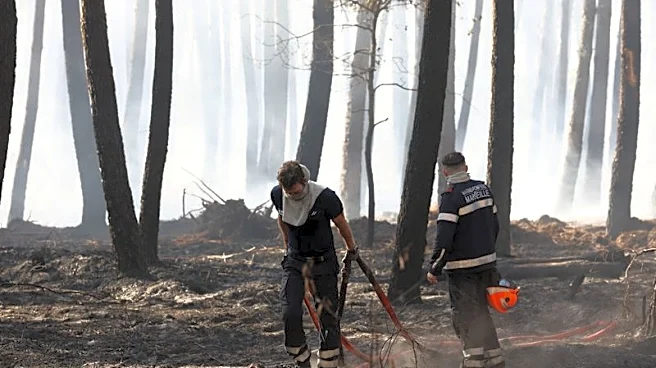
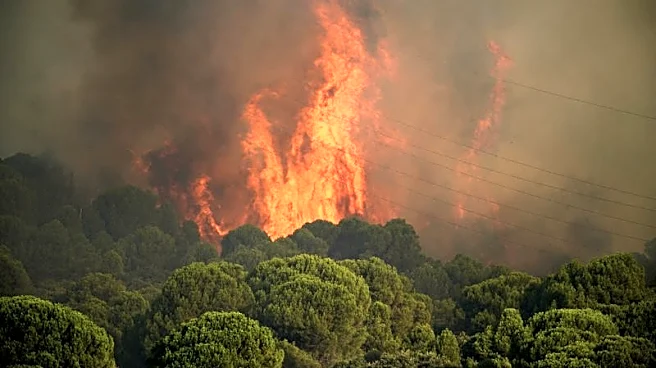
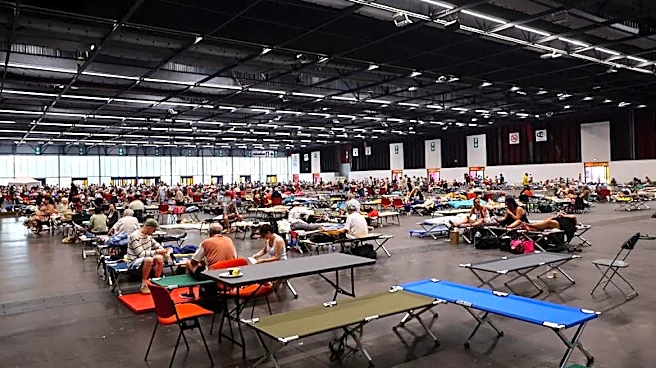
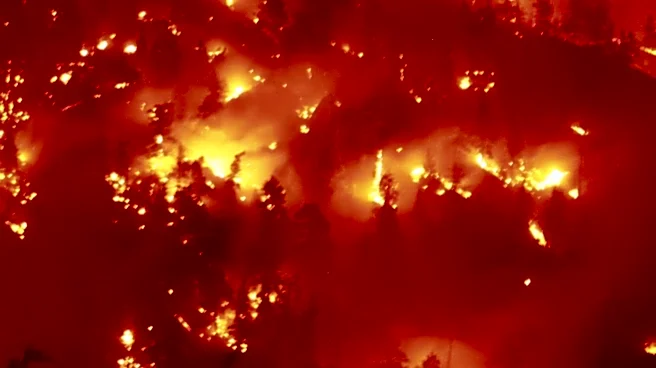
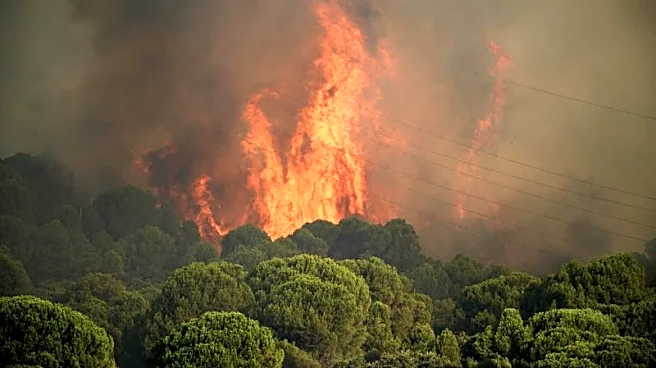
In France and Spain, wildfires have led to the evacuation of approximately 330,000 people as the region braces for another heat wave. In France, nearly 4,000 individuals were evacuated from tourist sites on the Atlantic coast due to a wildfire near Bordeaux.
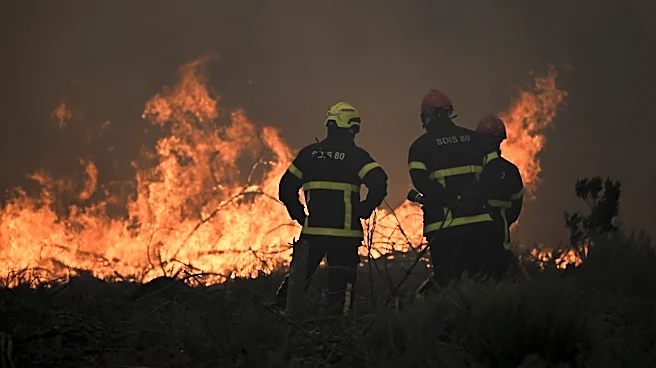
The fire, which has burned an area four times the size of Paris, remains a threat as temperatures rise and humidity falls. In Spain, the situation is similarly dire, with the country entering its fourth heat wave of the summer. The largest wildfire on record in Spain has scorched over 500 square kilometers, prompting a national emergency declaration. Firefighters in both countries are working tirelessly to contain the blazes, but the situation remains precarious.
Why It's Important?
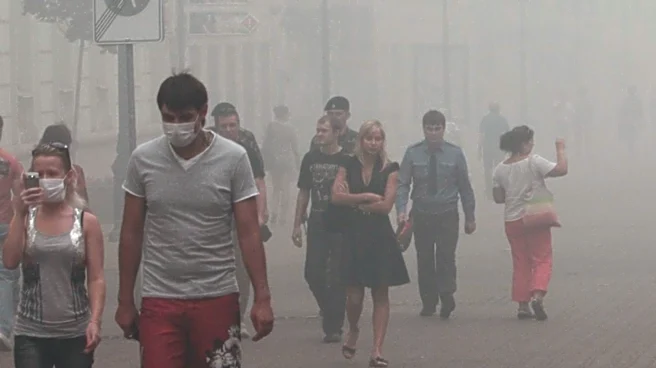
The wildfires in France and Spain highlight the increasing frequency and intensity of such events, likely exacerbated by climate change. These fires not only pose immediate threats to human life and property but also have long-term environmental impacts, including loss of biodiversity and increased carbon emissions. The evacuations disrupt local economies, particularly in tourist-dependent regions, and strain emergency services. The situation underscores the urgent need for comprehensive climate action and improved fire management strategies to mitigate future risks.
What's Next?
As temperatures continue to rise, the immediate focus remains on containing the fires and preventing further spread. Authorities in both countries are likely to enhance firebreaks and deploy additional resources to manage the situation. In the longer term, these events may prompt policy discussions on climate adaptation and emergency preparedness. The European Union and national governments might consider investing in more robust infrastructure and technology to predict and manage such disasters more effectively.