




What's Happening?
Representative Troy Carter, a Democrat from New Orleans, is actively involved in discussions surrounding FEMA reform. As co-chair of the House Disaster Preparedness and Recovery Caucus, Carter is working on a bill aimed at addressing states' concerns
regarding the Federal Emergency Management Agency (FEMA). The specific details of the proposed legislation were not fully disclosed in the provided information, but the focus is on improving FEMA's operations and responsiveness to states. This initiative comes as states frequently interact with FEMA during and after natural disasters, making the agency's effectiveness a critical issue for many communities across the U.S. Carter's role highlights a legislative effort to enhance disaster preparedness and recovery mechanisms at the federal level.
Why It's Important?
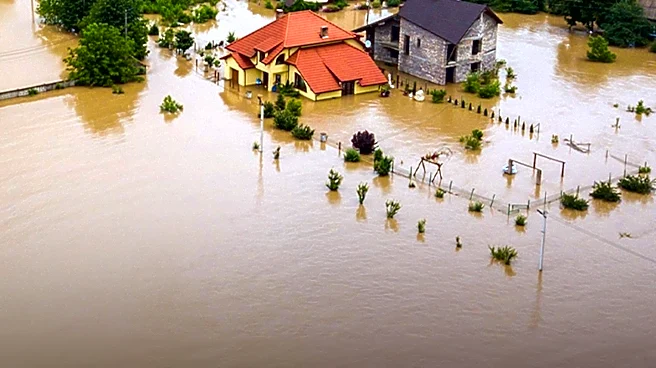
The push for FEMA reform is crucial for numerous U.S. communities, particularly those prone to natural disasters. Effective disaster preparedness and recovery directly impact the safety, economic stability, and long-term resilience of affected regions. States often face significant challenges in navigating FEMA's processes, securing adequate funding, and receiving timely assistance. Improvements in FEMA's structure and operations could lead to more efficient allocation of resources, quicker recovery times, and better support for individuals and businesses impacted by catastrophic events. This reform could also influence insurance markets, construction standards, and local government planning, potentially reducing the overall economic burden of disasters and fostering greater community resilience nationwide. The involvement of a caucus specifically dedicated to disaster preparedness underscores the national significance of this issue.
What's Next?
The next steps involve the continued development and potential introduction of the bill addressing FEMA reform. Representative Carter and the House Disaster Preparedness and Recovery Caucus will likely engage in further discussions with stakeholders, including state and local officials, disaster relief organizations, and other federal agencies. The legislative process will involve drafting, committee review, and potential votes in the House and Senate. The outcome of this legislative effort could lead to significant changes in how FEMA operates, potentially streamlining aid distribution, improving communication with states, and enhancing overall disaster response capabilities. The focus will be on ensuring that any reforms effectively address the current shortcomings and future challenges in disaster management.
Beyond the Headlines
Beyond the immediate legislative efforts, the discussion around FEMA reform touches upon broader issues of federal-state relations and the evolving nature of disaster management in the face of climate change. As extreme weather events become more frequent and intense, the demands on FEMA are increasing, highlighting the need for a robust and adaptable federal response. This reform initiative could set precedents for how federal agencies collaborate with states on critical national issues, potentially influencing other areas of public policy. Furthermore, it raises questions about equitable resource distribution, particularly for underserved communities that are often disproportionately affected by disasters. The long-term implications could include a re-evaluation of national infrastructure resilience and a greater emphasis on proactive mitigation strategies rather than solely reactive recovery efforts.