





What's Happening?
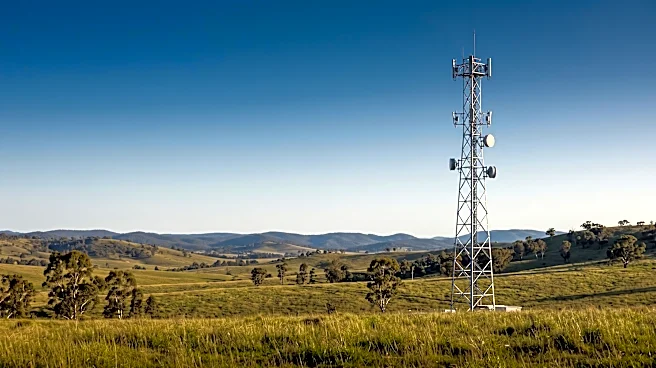
Australian telecommunications companies, including Telstra, Optus, and TPG Telecom, have developed and are ready to activate Temporary Disaster Roaming (TDR). This solution allows customers to switch to an alternative mobile network if their usual service
is disrupted by severe weather, bushfires, or floods. TDR will enable essential calls, text messages, and basic data access. The three telcos have completed technical development, rigorous testing, and regional field trials, and have drafted interim activation protocols. These arrangements are now technically ready for deployment during natural disasters. This initiative is part of a broader effort by the Australian telecommunications industry to improve emergency calling reliability, not only within Australia but globally, by addressing gaps in international technology specifications.
Why It's Important?
While this development is specific to Australia, it highlights a critical area of infrastructure resilience that has significant implications for any nation, including the U.S. Natural disasters frequently disrupt communication networks, hindering emergency response and public safety. The implementation of TDR in Australia demonstrates a proactive approach to ensuring continuous connectivity during crises. For the U.S., where natural disasters like hurricanes, wildfires, and earthquakes are common, such a system could drastically improve emergency communications. It could reduce the isolation of affected communities, facilitate coordination among first responders, and allow individuals to contact loved ones. The Australian industry's global campaign to improve emergency call specifications also underscores the potential for international collaboration in enhancing telecommunications resilience, which could benefit U.S. telecommunications standards and disaster preparedness strategies.
What's Next?
The Australian telcos are prepared to activate TDR ahead of the high-risk weather season. The system is designed to be automatic, meaning Australians will not need to change their phone settings to utilize it. The industry is also continuing its global campaign to maximize the reliability of emergency calling, having submitted a proposal to the 3rd Generation Partnership Project (3GPP), the world governing body for global mobile specifications. This submission is expected to lead to improvements in the speed and success rate of mobile emergency call completion when a customer's usual network is unavailable. Furthermore, a national consumer awareness campaign has been launched in Australia to educate millions of citizens on how to access emergency services during network disruptions.
Beyond the Headlines
This initiative goes beyond immediate disaster response by addressing fundamental issues of telecommunications infrastructure and public safety. The collaboration between competing telecommunications providers to create a shared solution for disaster resilience sets a precedent for industry cooperation in critical national infrastructure. Ethically, it underscores the responsibility of telecommunications companies to ensure reliable access to emergency services, especially for vulnerable populations during crises. The global effort to refine technical specifications for emergency calls also points to a long-term shift towards more robust and universally accessible emergency communication systems, potentially influencing future regulatory frameworks and technological advancements in the U.S. and worldwide. This proactive approach could mitigate the human and economic costs associated with communication failures during disasters.