




What's Happening?
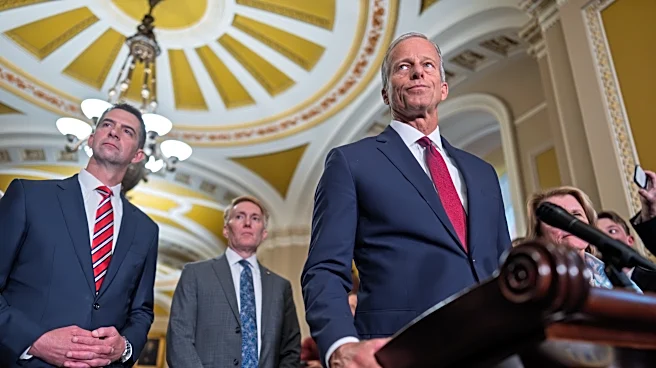
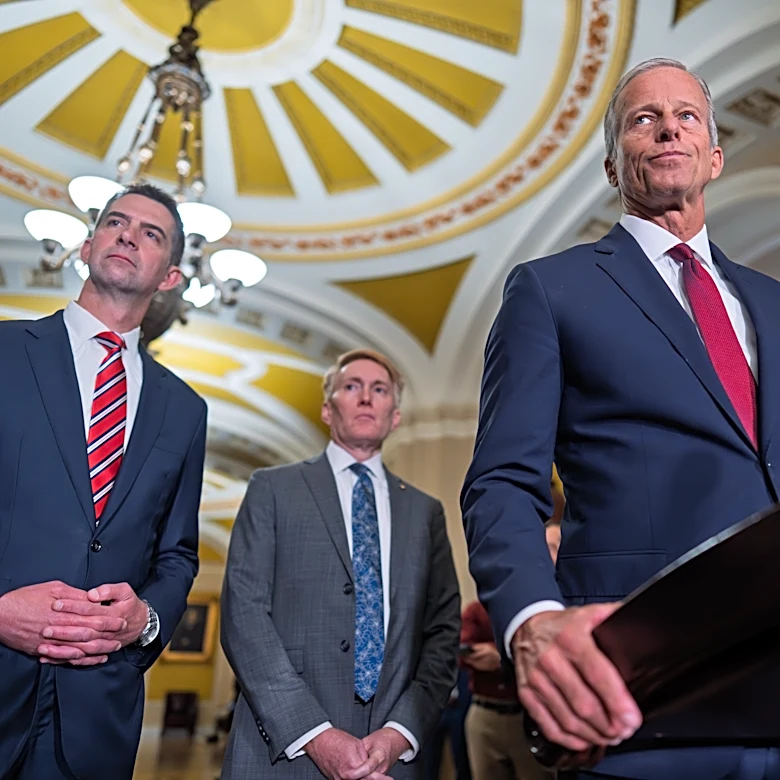
The U.S. Senate, led by Republicans, is advancing a bill to fund immigration enforcement agencies, including U.S. Immigration and Customs Enforcement (ICE) and the Border Patrol. This move follows the decision to drop a controversial settlement fund proposed
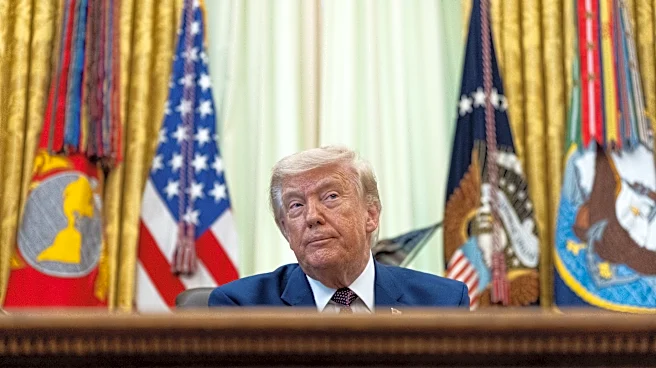
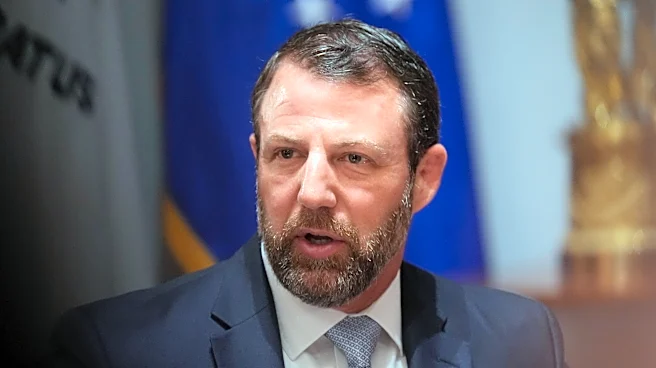
by the Trump administration. The Senate voted 53-46 to begin debate on the $70 billion bill, which had been delayed due to various obstacles, including the settlement fund that was intended for political allies of President Trump. Acting Attorney General Todd Blanche assured lawmakers that the fund would not proceed, a statement that came after significant Republican opposition. Despite this assurance, President Trump defended the settlement, indicating uncertainty about its future. The bill's progress is facilitated by a budget reconciliation process, allowing passage without Democratic votes, though it faces potential amendments from both parties.
Why It's Important?
The advancement of this bill is significant as it underscores the ongoing political tensions surrounding immigration enforcement in the U.S. The decision to drop the settlement fund reflects internal Republican divisions and the influence of public and political pressure. The bill's passage could strengthen immigration enforcement, a key issue for many Republican lawmakers, but it also highlights the challenges of maintaining party unity, especially with potential amendments that could alter the bill's provisions. The outcome of this legislative process could impact U.S. immigration policy and enforcement practices, affecting communities and stakeholders involved in or opposed to these measures.
What's Next?
The Senate will continue to navigate through a series of amendment votes, which could pose challenges to the bill's final form. Republican leaders aim to maintain party unity to ensure the bill's passage, while Democrats and some Republicans may push for amendments to permanently ban the settlement fund. The House of Representatives is also preparing to consider the bill, with leaders expressing a desire to pass it swiftly. The political dynamics surrounding this legislation could influence other priorities, such as national security appointments and foreign policy decisions, as lawmakers balance their support for President Trump's agenda with their own political considerations.