








What's Happening?
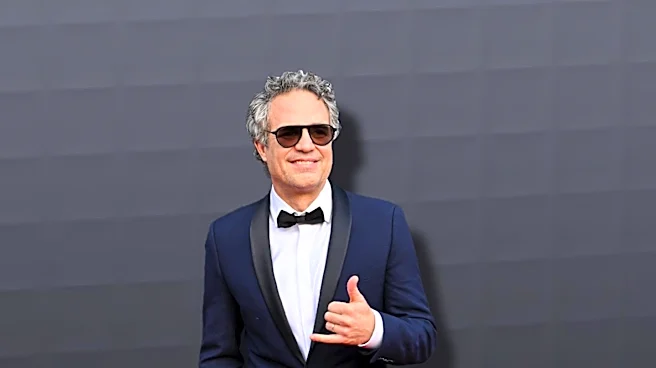
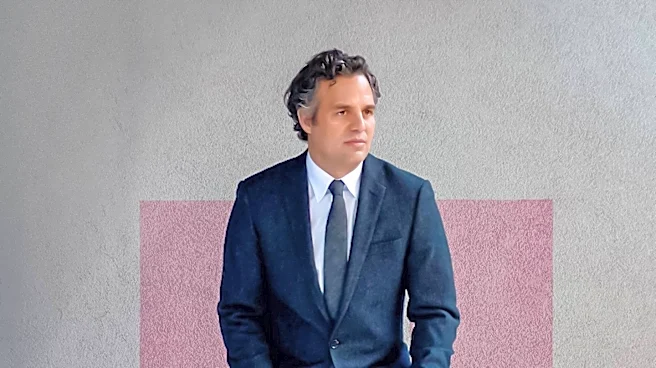
Over 170 prominent Jewish artists, writers, creative professionals, faith leaders, and thinkers, including Naomi Klein, have signed an open letter titled 'Enough!' in support of actor Mark Ruffalo. Ruffalo faced accusations of antisemitism after criticizing
the proposed $111 billion merger between Paramount Skydance and Warner Bros Discovery (WBD). His criticism highlighted the connections between Paramount Skydance, owned by David Ellison, and Oracle, a technology company owned by Ellison's father, Larry Ellison. Oracle has supplied software to the Israel Defense Forces for decades. Ruffalo argued that these 'profoundly scary technologies' could be integrated into one of the world's largest media conglomerates and used on the public. Paramount responded by stating they were 'troubled when antisemitic tropes are invoked in purported service of a business dispute.' The open letter dismisses these accusations as an 'outrageous smear campaign' and asserts that pointing out the connections between events in Gaza and Hollywood is not antisemitic, but rather an 'essence of Jewish ethical duty.' The letter also references a Washington Post poll indicating that 61% of American Jews believe Israel is committing war crimes in Gaza.
Why It's Important?
This development is significant as it underscores a growing tension within the entertainment industry and broader society regarding criticism of Israeli policies and the potential for such criticism to be labeled as antisemitic. The involvement of numerous Jewish creatives and thinkers in defending Ruffalo challenges the narrative that opposition to certain Israeli actions automatically equates to antisemitism. This public stance by a large group of Jewish professionals could influence how discussions around the Israeli-Palestinian conflict are framed in media and public discourse, particularly in the U.S. It also highlights concerns about media consolidation, with the proposed Paramount-WBD merger potentially creating a powerful entity with ties to military technology suppliers. The letter suggests that the 'weaponization of charges of antisemitism' is being used to silence legitimate criticism of corporate power and its connections to geopolitical issues, impacting free speech and critical analysis within the media landscape. The debate also touches on the ethical implications of technology developed for military use being integrated into civilian-facing media platforms.
What's Next?
The open letter and its signatories are likely to intensify the ongoing debate surrounding the Paramount-Warner Bros Discovery merger and the broader issue of antisemitism accusations in political discourse. Paramount and Warner Bros Discovery may face increased scrutiny regarding their business practices and affiliations, particularly concerning Oracle's ties to the Israel Defense Forces. The letter's assertion that a significant portion of American Jews view Israel's actions in Gaza as war crimes could lead to further internal discussions within Jewish communities and advocacy groups in the U.S. It may also encourage more public figures to voice their opinions on the Israeli-Palestinian conflict without fear of immediate backlash, potentially shifting the parameters of acceptable discourse. The legal and ethical implications of 'profoundly scary technologies' being integrated into a major media conglomerate will likely continue to be a point of contention, potentially leading to calls for greater transparency or regulatory oversight in future media mergers.
Beyond the Headlines
This situation delves into the complex interplay between corporate power, media influence, and geopolitical conflicts, particularly the Israeli-Palestinian issue. The letter's emphasis on the 'weaponization of charges of antisemitism' points to a deeper societal concern about how such accusations can be used to stifle dissent and critical inquiry, potentially undermining democratic discourse. It also highlights the evolving understanding of Jewish identity and political views, demonstrating a diversity of opinions within the Jewish community regarding Israel. The discussion around 'tech-driven domination' and the potential for surveillance technologies to be used on the public, as suggested by Ruffalo, raises profound ethical questions about privacy, corporate responsibility, and the future of media control. This event could contribute to a broader re-evaluation of how media conglomerates operate, their ethical obligations, and their role in shaping public opinion, especially when intertwined with military and political interests. The long-term impact could be a more nuanced public conversation about antisemitism, distinguishing it from legitimate criticism of state actions or corporate practices.