






What's Happening?
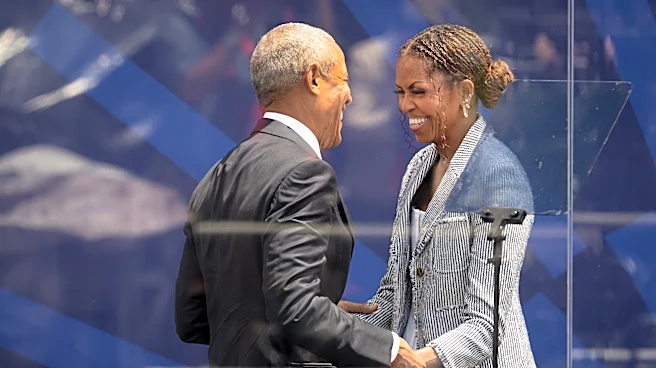
The Obama Presidential Center, recently opened in Chicago, has become a focal point of public debate. Critics argue that the $850 million spent on the center could have been allocated to more pressing needs, such as healthcare for children. The center,
which has sold out tickets until November, is also criticized for its architectural design, with some describing the tower as a 'concrete bunker' that does not align with Chicago's architectural heritage. Despite these criticisms, many supporters express gratitude to Barack and Michelle Obama for their contributions to the community and their inspirational presence. The center is seen by some as a symbol of hope and change, reminiscent of the spirit during Obama's 2008 election night.
Why It's Important?
The opening of the Obama Presidential Center highlights ongoing discussions about the allocation of resources and the role of presidential legacies in urban development. The financial investment in the center raises questions about prioritizing public funds and private donations, especially in a city with significant social and economic challenges. The architectural criticism reflects broader concerns about maintaining cultural and historical integrity in urban planning. The center's impact on local tourism and community engagement could be significant, potentially boosting the local economy while also sparking debates about inclusivity and accessibility. The contrasting views on the center's purpose and design underscore the complexities of honoring presidential legacies in a way that aligns with public expectations and urban needs.
What's Next?
As the Obama Presidential Center continues to attract visitors, discussions about its long-term impact on the community and the city of Chicago are likely to persist. Stakeholders, including city officials, community leaders, and the center's management, may need to address concerns about ticket accessibility and the center's role in local development. Future architectural projects in the city might also be influenced by the feedback received on the center's design. Additionally, the center's programming and outreach efforts will be crucial in determining its success as a community hub and educational resource. Ongoing engagement with local residents and stakeholders will be essential to ensure that the center fulfills its mission of promoting civic engagement and social change.
Beyond the Headlines
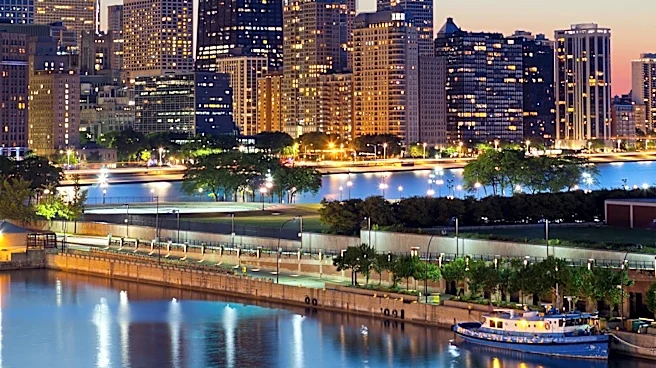
The debate surrounding the Obama Presidential Center also touches on broader themes of racial and social justice. The center's location on Chicago's South Side, an area with deep historical ties to the African American community, highlights the importance of representation and empowerment in urban development. The center's focus on community engagement and education aligns with ongoing efforts to address systemic inequalities and promote social justice. The discussions about reparations in nearby Evanston further emphasize the need for meaningful dialogue and action on racial equity. The center's role in these conversations could serve as a model for other cities grappling with similar issues, highlighting the potential for presidential legacies to contribute to broader societal change.