






What's Happening?
The documentary 'Why We Dance' connects Indigenous tribes from Iowa, Hawaiʻi, and Mexico through the shared experience of dance, highlighting cultural resilience in the face of historical oppression. The film delves into the U.S. Department of the Interior's
1883 Code of Indian Offenses, which outlawed Native dancing and ceremonies as part of a systematic effort to assimilate Indigenous peoples. Directed by Meskwaki member Oogie Push and produced by Ryan Stopera, the documentary takes viewers into Indigenous communities across North America, including Iowa, South Dakota, Minnesota, Hawaiʻi, and Mexico. It explores themes of heritage, connection, joy, and the enduring strength of cultural traditions. Screenings are scheduled, including one at Grinnell College on November 11, where Push will also speak.
Why It's Important?
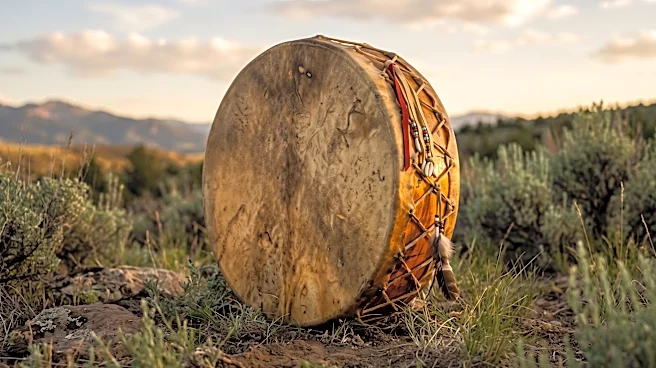
This documentary is important for shedding light on a critical, often overlooked, aspect of U.S. history: the systematic suppression of Indigenous cultures. By focusing on dance, 'Why We Dance' illustrates how cultural practices serve as powerful tools for identity, community, and resistance. The film's exploration of resilience across diverse Indigenous communities, including those in Hawaiʻi, underscores the universal human need to preserve heritage. It educates audiences about the historical injustices faced by Native peoples and celebrates their enduring spirit and cultural richness. This narrative contributes to a broader understanding of American history and the ongoing efforts of Indigenous communities to reclaim and celebrate their traditions.
What's Next?
The documentary 'Why We Dance' is scheduled for a screening at the Humanities and Social Studies Center at Grinnell College on Wednesday, November 11, at 7 p.m., with director Oogie Push speaking at 4:30 p.m. More information on upcoming screenings will be made available. The film's continued circulation will likely foster dialogue about Indigenous rights, cultural preservation, and historical reconciliation. Educational institutions and cultural organizations may utilize the documentary as a resource to promote understanding and appreciation of Indigenous cultures, potentially leading to further discussions and initiatives aimed at supporting Native communities.
Beyond the Headlines
The documentary 'Why We Dance' delves into the profound ethical and cultural implications of historical policies aimed at cultural assimilation. It highlights how seemingly benign actions, like banning dance, can have devastating long-term effects on identity and community cohesion. The film's focus on resilience through dance offers a powerful counter-narrative, demonstrating how cultural expression can be a source of strength and healing. This work contributes to the ongoing national conversation about decolonization and the importance of recognizing and valuing diverse cultural heritages within the United States. It also underscores the role of art and storytelling in confronting historical injustices and fostering empathy.