







What's Happening?
The Indian meal moth (Plodia interpunctella) is widely recognized as the leading cause of pantry moth infestations in U.S. homes and grocery stores. These small, two-toned moths are typically introduced into households through contaminated food items
such as flour, cereal, nuts, pet food, or birdseed. A single female Indian meal moth can lay up to 400 eggs directly on or near food sources, leading to rapid infestation. The caterpillars, which are off-white with a darker head, spin silk webbing through the infested food. Adults are about half an inch long, with front wings that are pale gray near the body and reddish copper at the tips. While adult moths do not eat, their caterpillars contaminate food with webbing and droppings, and can also introduce microbes that spoil food.
Why It's Important?
The prevalence of the Indian meal moth poses a significant economic and public health concern for U.S. households and the food industry. Infestations lead to substantial food waste, as contaminated products must be discarded. This impacts household budgets and can cause financial losses for grocery stores and food producers. Beyond direct waste, the presence of these pests can cause distress and inconvenience for homeowners. The University of California and the University of Florida both highlight the Indian meal moth as the most important pest of stored food, underscoring the widespread nature of this issue. Effective pest management strategies are crucial to prevent food spoilage, maintain food safety, and mitigate economic losses associated with these common pantry invaders.
What's Next?
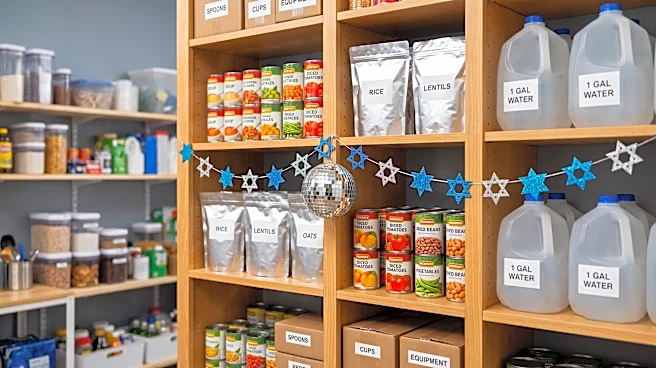
Addressing Indian meal moth infestations requires a multi-pronged approach. Homeowners are advised to inspect all incoming dry food packages carefully and store susceptible items in airtight containers made of glass, metal, or heavy plastic, as these moths can chew through paper, thin cardboard, and plastic bags. Freezing potentially infested food at 0°F for at least four days can also eliminate pests. If an infestation is discovered, all contaminated food should be discarded. Even after removing the source, moths may continue to appear for up to three weeks as remaining caterpillars mature. Persistent sightings beyond this period indicate an undiscovered infested package. While pheromone traps can help monitor moth presence, they are not a standalone solution for eliminating an infestation, as they primarily attract male moths.
Beyond the Headlines
The issue of pantry pests like the Indian meal moth extends beyond mere inconvenience, touching upon broader themes of food security, consumer awareness, and supply chain integrity. The fact that these pests often originate from grocery stores highlights potential vulnerabilities in food storage and handling practices within the retail sector. This necessitates greater vigilance from both consumers and food suppliers to prevent the spread of infestations. Furthermore, the common misidentification of pantry moths with clothes moths underscores a general lack of public awareness regarding different types of household pests and their specific behaviors. Educating consumers on proper food storage and pest identification can empower them to better protect their food supplies and reduce waste, contributing to more sustainable household practices.