









What's Happening?
A comprehensive analysis of long-term health data has revealed a significant association between higher consumption of ultra-processed foods and increased risks of various chronic conditions, including cardiovascular disease, cancer, diabetes, digestive
illnesses, and high blood pressure. The findings, published in Family Medicine and Community Health, indicate that the risk generally escalates with increased intake. Specifically, every additional 100 grams of ultra-processed food consumed daily was linked to a 14% rise in cardiovascular risk, a 4% increase in cancer risk, and a 3% higher risk of death from any cause. The study, which pooled data from 51 prospective cohort studies involving nearly 9 million adults across multiple continents, also found associations with a 23% greater risk of overweight or obesity, a 24% greater risk of metabolic syndrome or diabetes, and a 27% greater risk of depression or anxiety. Ultra-processed foods are characterized by ingredients rarely used in home cooking, such as flavorings, colorings, emulsifiers, sweeteners, and preservatives, and are often high in energy, salt, sugar, or unhealthy fats while being low in fiber, protein, vitamins, and minerals.
Why It's Important?
This research highlights a critical public health concern in the U.S., where ultra-processed foods constitute a substantial portion of the average diet. The strong associations found between these foods and a wide array of chronic diseases underscore the potential for significant long-term health and economic impacts. The increased prevalence of conditions like cardiovascular disease, cancer, and diabetes places a heavy burden on the U.S. healthcare system, leading to higher medical costs and reduced productivity. Furthermore, the link to mental health issues such as depression and anxiety suggests a broader societal impact beyond physical health. For consumers, this study reinforces the importance of dietary choices and the potential benefits of reducing ultra-processed food intake. For the food industry, it may prompt further scrutiny of product formulations and marketing strategies, particularly concerning the use of additives and the nutritional profiles of widely consumed packaged goods. Public health initiatives aimed at promoting healthier eating habits and increasing access to whole, minimally processed foods could see renewed emphasis.
What's Next?
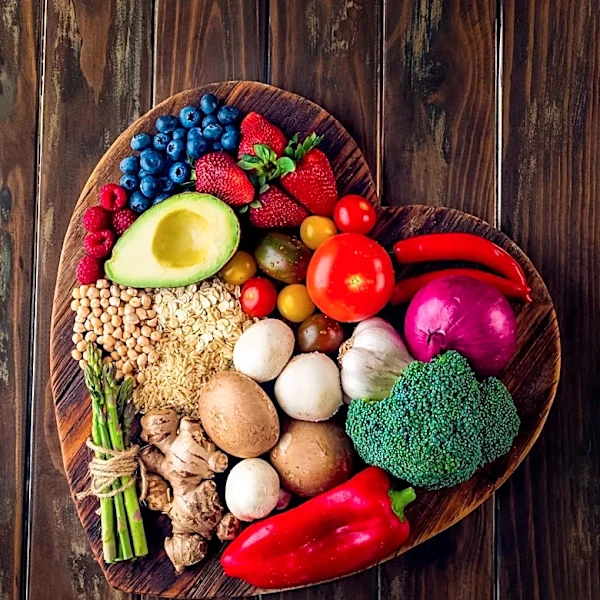
The findings of this extensive analysis are likely to fuel ongoing discussions among public health officials, policymakers, and medical professionals regarding dietary guidelines and interventions. There may be increased calls for clearer labeling of ultra-processed foods, potentially including warnings about associated health risks, to better inform consumers. Research into the specific biological mechanisms linking ultra-processed foods to disease, such as the impact of additives, altered food structures, and their effects on the gut microbiome, is expected to continue. This could lead to more targeted recommendations for food manufacturers and regulatory bodies. Additionally, educational campaigns promoting balanced diets rich in whole foods like vegetables, fruits, legumes, and whole grains are anticipated to gain further traction, encouraging individuals to make more informed food choices to mitigate these health risks.
Beyond the Headlines
Beyond the immediate health implications, this study touches upon deeper societal and economic dimensions. The widespread availability and affordability of ultra-processed foods often make them a staple for lower-income populations, raising concerns about health equity and access to nutritious options. The convenience factor of these foods also plays a significant role in modern, fast-paced lifestyles, making dietary changes challenging for many. The 'cocktail effect' of various additives and the impact of processing on food structure suggest a complex interplay of factors that go beyond simple nutritional content, hinting at a need for a more holistic understanding of food science and its effects on human health. This research could also influence agricultural policies, encouraging the production and distribution of whole, unprocessed foods, and potentially reshape consumer demand towards more natural and less engineered food products, fostering a broader shift in food culture.