





What's Happening?
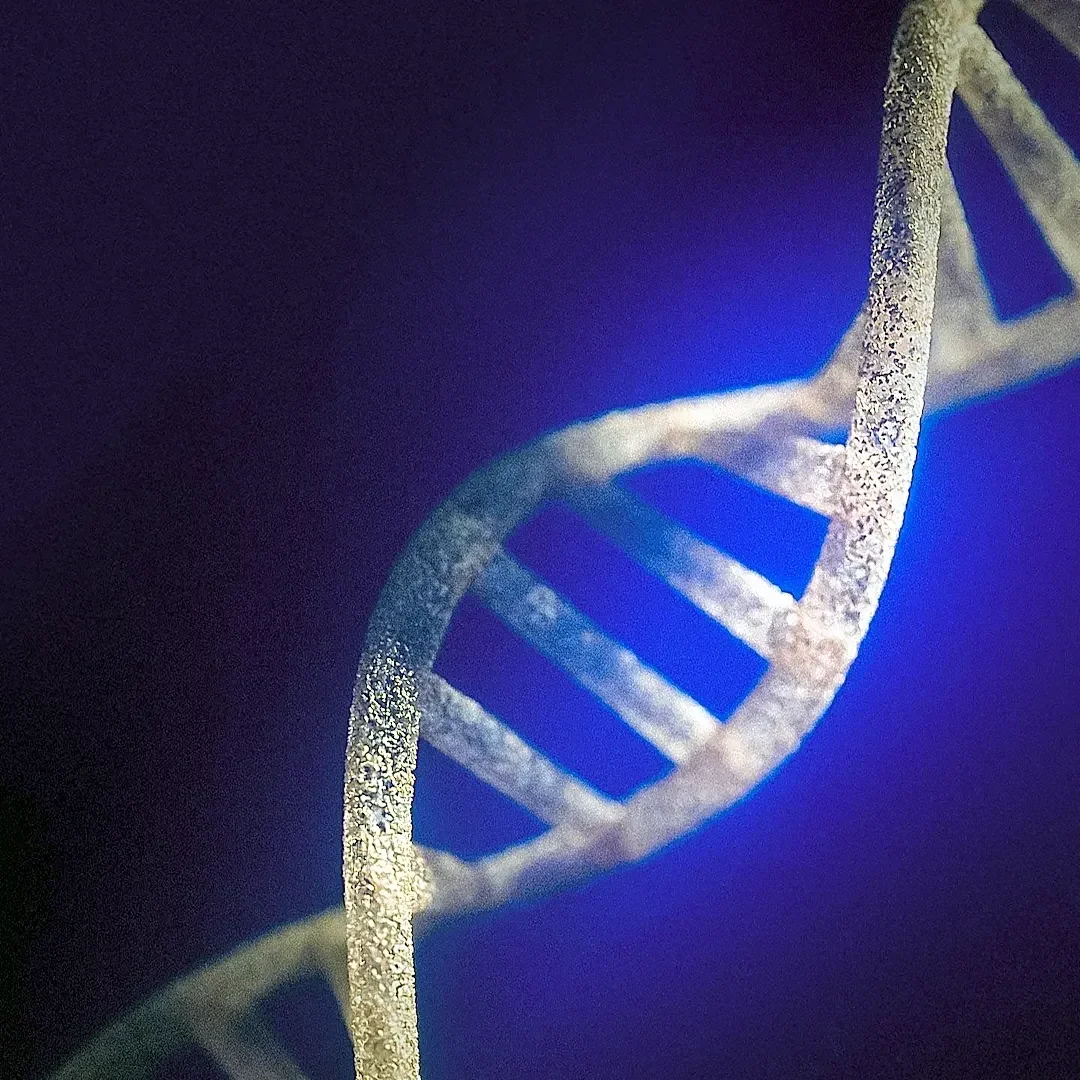
A review article published in the Cell Press journal Trends in Endocrinology & Metabolism on October 22 suggests that short intervals between pregnancies could accelerate biological aging in mothers. Biological aging refers to how cells, tissues, and
organs change over time, independent of chronological age. The authors hypothesize that when pregnancies occur too closely together, the mother's body may not have sufficient time to recover, leading to an accumulation of changes related to biological aging. Jesse Poganik, corresponding author from Harvard Medical School, noted that previous research indicates biological age temporarily increases during pregnancy, peaking around the third trimester or at delivery. The article explores how these short-term changes might influence the long-term trajectory of aging over a lifetime. This research aims to provide insights that could improve maternal health, particularly in the context of the high maternal mortality rates in the United States compared to other industrialized nations.
Why It's Important?
This research is significant for maternal health in the U.S., where maternal mortality rates are a critical concern. Understanding the potential link between closely spaced pregnancies and accelerated biological aging could lead to revised recommendations for birth spacing, beyond the current World Health Organization guideline of a minimum 24-month interval. If confirmed, these findings could influence healthcare policies and practices related to postpartum care and family planning, potentially reducing long-term health risks for mothers. Improved understanding of biological aging during pregnancy could also contribute to broader research on chronic illnesses and longevity, offering new avenues for preventative care and personalized health strategies for women. The study highlights the need for further research to measure biological age across multiple pregnancies and track mothers over decades to establish definitive recommendations.
What's Next?
Further research is needed to validate the hypothesis that short gaps between pregnancies accelerate biological aging. This would involve measuring biological age across multiple pregnancies and following mothers for decades to observe long-term health outcomes. Such studies could lead to more specific recommendations regarding optimal birth spacing based on biological aging markers, rather than solely on pregnancy outcomes. Insights gained from this research could also inform the development of new tools and strategies for assessing and improving maternal health during and after pregnancy, potentially incorporating methods like brain-imaging studies and data from wearable devices. The goal is to move towards a more fundamental understanding of aging, with direct implications for enhancing maternal health and addressing the maternal mortality crisis in the U.S.
Beyond the Headlines
The implications of this research extend beyond immediate maternal health, touching upon broader societal and ethical considerations regarding women's reproductive health and long-term well-being. If closely spaced pregnancies are indeed found to accelerate biological aging, it could prompt discussions about the support systems available to mothers, including access to adequate postpartum care, family leave policies, and resources for family planning. There's also an ethical dimension in how such findings are communicated to avoid causing undue anxiety among women who have had closely spaced pregnancies, especially since the authors note that some level of parity can be beneficial to a person's lifespan. The research also underscores the growing interest in biological age assessment tools for personalized health, suggesting a future where individual health guidance might be tailored based on a deeper understanding of cellular and physiological changes over time.