

What's Happening?
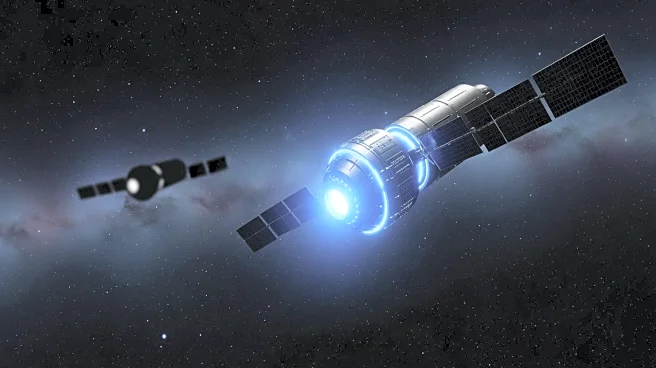
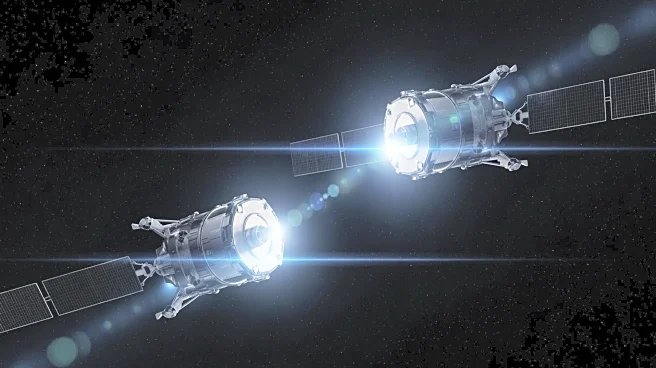
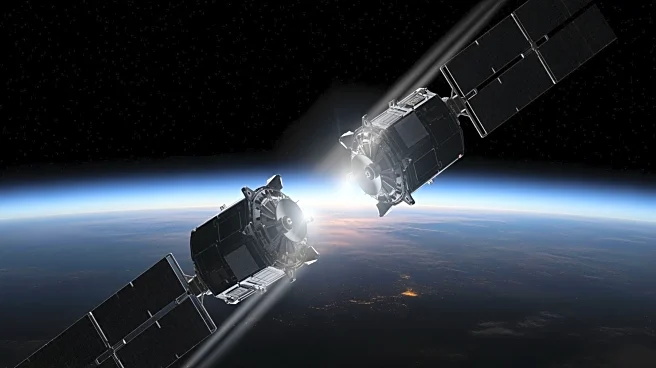
SpaceX's Starlink satellite internet network is transforming scientific research by providing fast, low-latency connectivity in remote areas. This has enabled real-time data collection and collaboration in places previously disconnected, such as Yellowstone's
geophysical monitoring and Antarctic field camps. However, Starlink's expansion is also affecting astronomy, with satellite streaks in telescope images and unintended radio emissions posing challenges to astronomers. The network is becoming a crucial tool for scientific infrastructure, while also being a subject of study and an obstacle for astronomy.
Why It's Important?
Starlink's impact on scientific research is significant, as it allows for real-time data flow and collaboration in remote regions, enhancing the quality and efficiency of scientific studies. This connectivity is crucial for fields like marine science and Earth observation, where timely data can lead to better decision-making and resource management. However, the challenges posed to astronomy highlight the need for mitigation strategies to protect scientific observations. The dual role of Starlink as both a tool and a challenge underscores the complexity of integrating commercial satellite networks into scientific research.
What's Next?
As Starlink continues to expand, researchers and astronomers will need to develop strategies to mitigate its impact on scientific observations. This includes engineering solutions and policy discussions to address satellite streaks and radio emissions. The integration of Starlink into scientific infrastructure will likely grow, with potential collaborations with space agencies like NASA for space missions. The balance between leveraging Starlink's capabilities and addressing its challenges will be crucial for the future of scientific research.
Beyond the Headlines
The broader implications of Starlink's role in scientific research include ethical considerations about the impact on astronomy and the environment. The network's expansion raises questions about orbital crowding and the atmospheric effects of frequent satellite launches. These issues highlight the need for governance and transparency in the deployment of satellite networks, ensuring that scientific benefits are maximized without compromising existing scientific infrastructure.