







What's Happening?
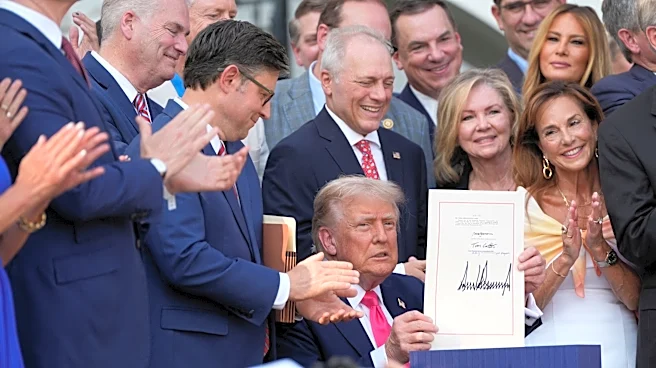
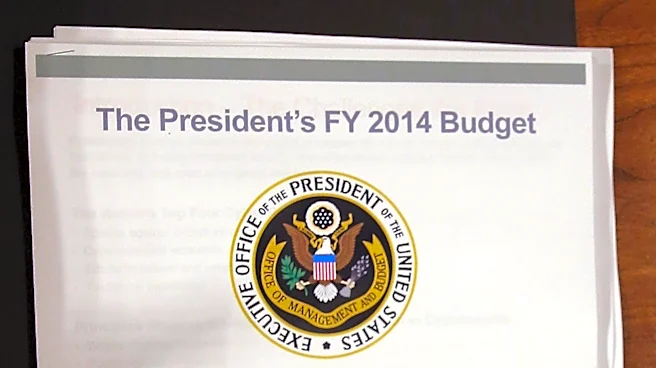
Panamanian President José Raúl Mulino sanctioned the 2027 General State Budget Law, amounting to $35,111.75 million, on November 2. This action followed its approval by the National Assembly the previous week. The budget allocates $12,839.7 million to public
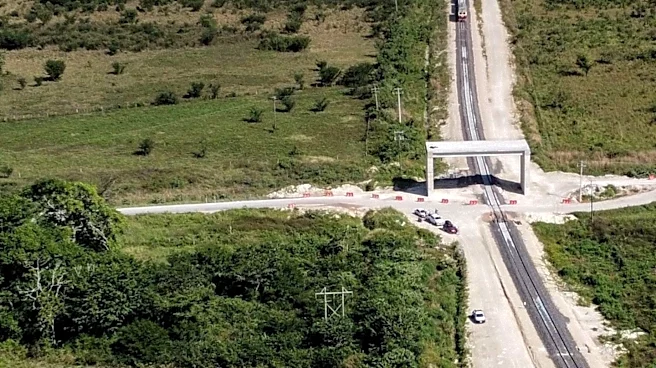
investments, representing 36.6% of the total and a 12% increase from 2026, marking a record in public investment. Conversely, operational expenses are set at $22,272 million, a 5% decrease, with a reduction in the public debt service for the central government. Modifications totaling $186.83 million were incorporated to bolster allocations for health, public infrastructure, security, education, public services, and social needs, based on recommendations from the National Assembly's Budget Commission. These adjustments involved reallocations and increases for various entities to address institutional commitments and prioritize programs. The Ministry of Economy and Finance, led by Felipe Chapman, evaluated these requests considering fund availability, expenditure priority, and institutional execution capacity. The budget also aims for a fiscal deficit consistent with public debt sustainability goals and fiscal responsibility law limits.
Why It's Important?
The sanctioning of Panama's 2027 budget is significant as it outlines the nation's financial priorities and economic direction for the coming year. The record allocation to public investments, particularly in critical sectors like health, infrastructure, and education, signals a strategic focus on national development and social welfare. This could lead to improved public services and economic growth, potentially creating opportunities for U.S. businesses involved in these sectors through trade and investment. The reduction in operational expenses and public debt service indicates a move towards fiscal prudence, which can enhance Panama's financial stability and attractiveness to international investors, including those from the U.S. However, the budget has faced scrutiny regarding proposed exceptions in public procurement laws, which could allow certain ministries to bypass standard contracting procedures for up to $1 million in urgent situations. This aspect raises concerns about transparency and accountability, which are crucial for maintaining investor confidence and ensuring fair competition for U.S. companies operating in Panama.
What's Next?
Following the sanctioning of the 2027 budget, the focus will shift to its implementation and the execution of the planned public investments. The proposed exceptions in public procurement laws, which allow for expedited contracting under certain conditions, will likely be a key area of attention. President Mulino has acknowledged the need for agility in such situations but also emphasized the importance of transparency and oversight from the Comptroller. This suggests that while the government aims to streamline processes for urgent needs, there will be mechanisms in place to prevent misuse. Stakeholders, including civil society groups and international observers, will closely monitor how these exceptions are applied and whether they lead to any irregularities. The Ministry of Economy and Finance will play a crucial role in managing the budget and ensuring that funds are allocated and spent efficiently and transparently. The success of these measures will influence Panama's economic trajectory and its standing with international partners.
Beyond the Headlines
The debate surrounding the public procurement exceptions within the 2027 budget highlights a broader tension between the need for governmental efficiency, especially in urgent situations, and the imperative for transparency and accountability. While the stated aim is to facilitate rapid responses to unforeseen circumstances, such provisions can, if not rigorously overseen, create avenues for corruption or favoritism. This ethical dimension is critical, as a perceived lack of transparency can erode public trust and deter foreign investment, including from the U.S., which often prioritizes good governance. The emphasis on increased public investment, while positive for development, also places a greater burden on oversight mechanisms to ensure that these funds are used effectively and without waste. The long-term implications of these budget decisions will not only be economic but also cultural, shaping public perceptions of government integrity and the rule of law in Panama.