






What's Happening?
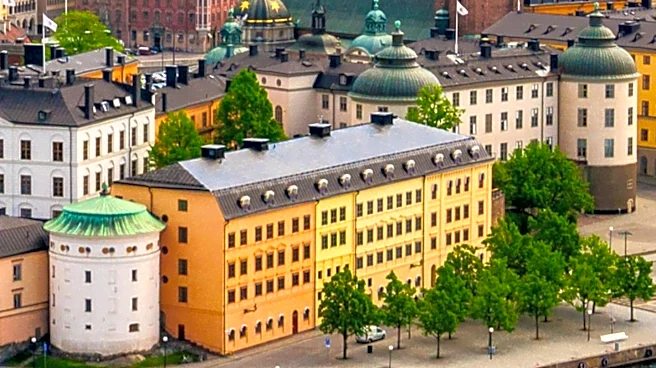
Sweden's cultural policy for 2025-2026 is undergoing significant changes, with a clear prioritization of archives and museums. The state budgets for these years include substantial funding increases for institutions such as the National Archives (Riksarkivet)
and the Swedish National Heritage Board (Riksantikvarieämbetet). Conversely, areas like general adult education (folkbildning) and administrative research funds are facing cuts or stagnation in support. This shift is part of a broader reform of the Cultural Cooperation Model (Kultursamverkansmodellen), which became effective on January 1, 2025. This reform aims to restructure mechanisms for allocating state funding to regions and municipalities, fostering a more balanced dynamic between national, regional, and local levels, and promoting decentralization and the inclusion of new artistic disciplines. Additionally, the government is emphasizing expanded private funding and a dedicated strategy for the Cultural and Creative Industries (CCI), encouraging corporate sponsorship and philanthropic donations.
Why It's Important?
This reallocation of cultural funding in Sweden signifies a strategic pivot that could have long-term implications for the nation's cultural landscape and educational infrastructure. The increased investment in archives and museums underscores a commitment to preserving and promoting cultural heritage, potentially enhancing national identity and historical understanding. However, the reduction or stagnation of funds for general adult education could impact lifelong learning opportunities and skill development for a segment of the population. This could lead to a widening gap in access to educational resources, particularly for those who rely on publicly funded adult education programs. The emphasis on private funding for the cultural sector also suggests a move towards a more market-driven approach, which might benefit established institutions and commercially viable artistic disciplines while potentially marginalizing smaller, less commercially attractive cultural initiatives. This shift could influence the types of cultural activities that receive support and thrive in the coming years.
What's Next?
The implementation of the new Act on Cultural Cooperation, effective January 1, 2025, will continue to reshape how cultural funding is distributed across Sweden. Stakeholders in the cultural sector, particularly those in adult education and administrative research, will likely need to adapt to reduced public funding by seeking alternative revenue streams, such as private sponsorships or philanthropic donations, in line with the government's new emphasis. The debate surrounding the 'Arm’s Length Principle'—artistic independence and political distance in cultural funding—is expected to persist, with ongoing discussions and legislative measures aimed at safeguarding artistic freedom, especially at regional and local governance levels. Furthermore, the government's national strategy to strengthen Jewish life (2025–2034) will see continued efforts to promote the preservation, visibility, and protection of Jewish cultural heritage and life throughout the country, indicating a targeted approach to supporting specific cultural communities.
Beyond the Headlines
The shift in Sweden's cultural policy reflects a broader ideological debate about the role of government in supporting culture and education. By prioritizing cultural heritage institutions over general adult education, the government is making a statement about what it values most in its cultural investment. This could lead to a more curated and historically focused cultural environment, but it also risks diminishing the accessibility and diversity of educational opportunities for adults. The push for increased private funding, while potentially diversifying revenue streams, could also introduce new pressures on cultural organizations to align with corporate interests, potentially influencing artistic content and programming. This move could also exacerbate existing inequalities, as private funding tends to flow more readily to well-established or high-profile institutions, leaving smaller, community-based initiatives struggling. The long-term impact on social cohesion and intellectual development, particularly in areas where adult education plays a crucial role, will be an important aspect to monitor.