





What's Happening?
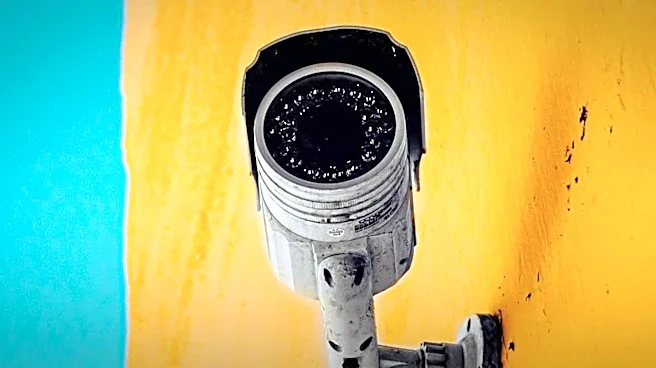
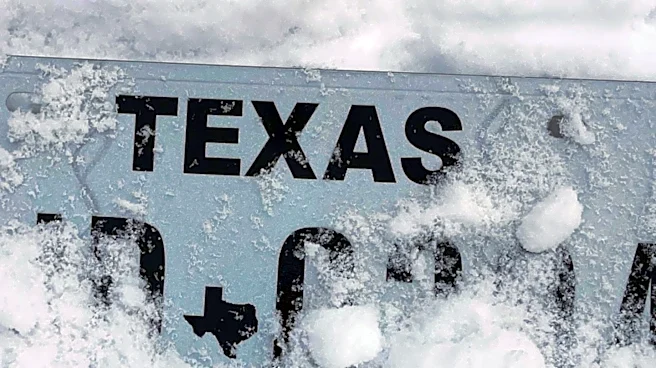
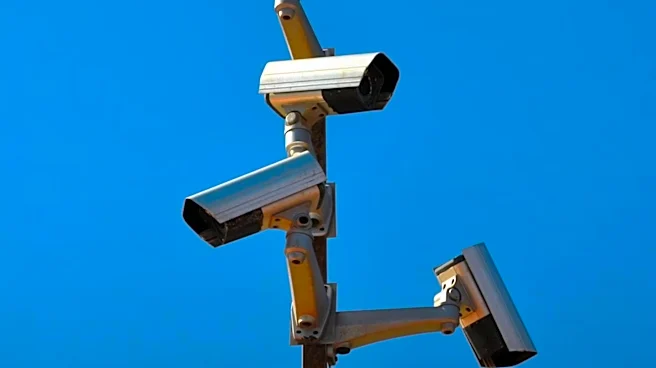
The expansion of Flock cameras in Beaumont is aiding police in solving crimes and locating missing persons, but it is also raising privacy concerns. These cameras capture images of vehicles and license plates, providing valuable data for investigations.
Beaumont Police Sgt. Haley Morrow stated that the cameras are part of the department's Real-Time Crime Center, which has assisted in over 300 investigations. However, the exact impact of Flock cameras alone is unclear. Public records requests have been made to determine the extent of data collection and sharing. Critics, including constitutional law expert David Starnes, express concerns about government surveillance and the potential for privacy invasion, especially for individuals not suspected of crimes.
Why It's Important?
The use of surveillance technology like Flock cameras highlights the balance between public safety and privacy rights. While these tools can significantly enhance law enforcement capabilities, they also pose risks of overreach and misuse. The debate centers on the need for transparency, oversight, and community involvement in decisions about surveillance technology. Ensuring that such systems are used responsibly and with proper checks can help maintain public trust and protect individual rights. The situation in Beaumont reflects broader national discussions on the role of technology in policing and the importance of safeguarding civil liberties.
What's Next?
The city of Beaumont is expected to provide more information on the use of Flock cameras by August 6, following public records requests. This disclosure may address concerns about data access, sharing, and oversight. As the debate continues, there may be calls for independent oversight and community input to ensure that surveillance technology is used ethically and effectively. The outcome could influence how other cities approach the integration of similar technologies in their law enforcement strategies.