


What's Happening?
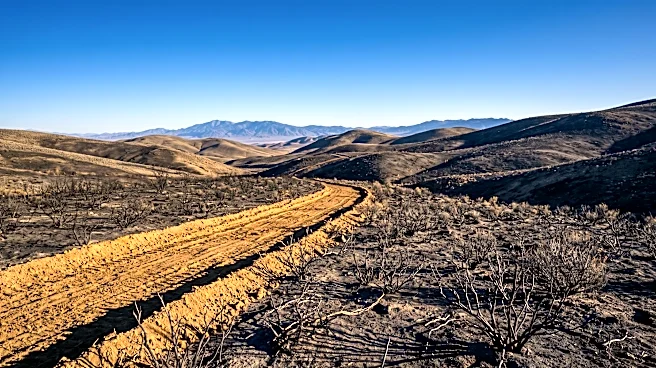
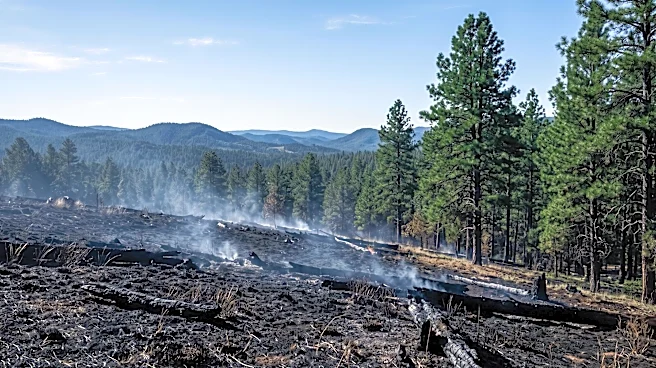
The Bull Fire, located near Peavine Peak in Washoe County, Nevada, has achieved 94% containment after burning 1,529 acres. This marks a 2% increase in containment since Friday, with the total acreage remaining stable. Truckee Meadows Fire & Rescue (TMFR)
and joint incident management officials report minimal fire activity as crews continue to extinguish remaining hot spots and monitor containment lines. Despite the progress, firefighters are preparing for strong winds expected on Saturday, with a Red Flag Warning in effect from 11 a.m. to 9 p.m. due to a dry cold front moving through northern Nevada. Southwest winds could reach 15 to 20 mph, with gusts up to 40 mph, potentially increasing fire activity. A total of 189 personnel are assigned to the fire, and suppression repair work, including fixing dozer lines, handlines, and roads impacted by firefighting efforts, has begun. The fire, reported on October 2, is considered human-caused, and its origin remains under investigation. All evacuation warnings have been lifted, but a fire area closure and a forest closure in the Humboldt-Toiyabe National Forest are still in effect.
Why It's Important?
The containment of the Bull Fire is crucial for the safety and environmental stability of Washoe County, Nevada. The ongoing efforts to suppress the fire protect residential areas, natural habitats, and critical infrastructure from further damage. The Red Flag Warning and anticipated strong winds highlight the persistent threat of wildfire resurgence, underscoring the importance of continued vigilance and resource allocation. Wildfires have significant economic impacts, including property damage, disruption to local businesses, and increased healthcare costs due to smoke exposure. The human-caused nature of the fire emphasizes the need for public awareness and preventative measures to reduce future incidents. The initiation of suppression repair work is vital for ecological recovery, preventing erosion, and restoring the affected landscape. The closures of the fire area and Humboldt-Toiyabe National Forest are necessary to ensure the safety of both the public and firefighting personnel, allowing for effective post-fire management and rehabilitation.
What's Next?
Firefighters will continue to monitor and address remaining hot spots within the Bull Fire perimeter, particularly in light of the strong winds forecasted for Saturday. The Red Flag Warning will necessitate heightened caution and rapid response to any new flare-ups. Officials will assess the impact of the winds on fire behavior and adjust strategies as needed. Suppression repair work, including the restoration of dozer lines, handlines, and roads, will proceed to mitigate environmental damage and facilitate long-term recovery. The investigation into the human cause of the fire will continue, potentially leading to findings that could inform future prevention efforts. Cooler weather and an increased chance of rain are expected on Sunday, which could significantly aid in further suppressing the fire. The fire area and forest closures will remain in effect until officials determine it is safe for public access, ensuring the safety of ongoing operations and the integrity of the recovering ecosystem.
Beyond the Headlines
The Bull Fire incident underscores the broader challenges faced by Western U.S. states in managing increasing wildfire risks, often exacerbated by climate conditions and human activity. The designation of the fire as human-caused highlights a critical ethical and societal dimension, pointing to the need for enhanced public education and stricter enforcement of fire safety regulations. The long-term ecological implications extend beyond immediate containment, involving complex processes of reforestation, habitat restoration, and soil stabilization. The economic burden of such fires, including the costs of firefighting, property loss, and environmental rehabilitation, places significant strain on local and state resources. Furthermore, the smoke generated by wildfires can have far-reaching public health consequences, affecting air quality in distant communities and contributing to respiratory issues. This event serves as a reminder of the interconnectedness of human actions, environmental health, and community resilience in the face of natural disasters.