



What's Happening?
U.S. intelligence reports suggest that China is preparing to deliver new air defense systems to Iran, potentially escalating tensions following a fragile ceasefire between Iran and the United States. The systems in question are believed to be shoulder-fired
anti-aircraft missiles, known as MANPADS, which could pose a threat to U.S. military aircraft if hostilities resume. The intelligence indicates that China may attempt to route these shipments through third countries to obscure their origin. Despite these reports, a spokesperson for the Chinese Embassy in Washington has denied any involvement, asserting that China has not provided weapons to any party in the conflict. The situation underscores the possibility of Iran replenishing its arsenal with foreign assistance during the ceasefire period.
Why It's Important?
The potential shipment of air defense systems from China to Iran could significantly impact U.S. military operations and diplomatic relations in the region. If the ceasefire collapses, these weapons could threaten U.S. aircraft, complicating military strategies and increasing the risk of direct confrontations. Additionally, this development may strain U.S.-China relations, as it challenges China's public stance of neutrality and adherence to international obligations. The situation also highlights the geopolitical dynamics involving Iran, China, and Russia, with Iran leveraging its relationships to counter Western isolation. The U.S. must navigate these complexities while maintaining its strategic interests in the Middle East.
What's Next?
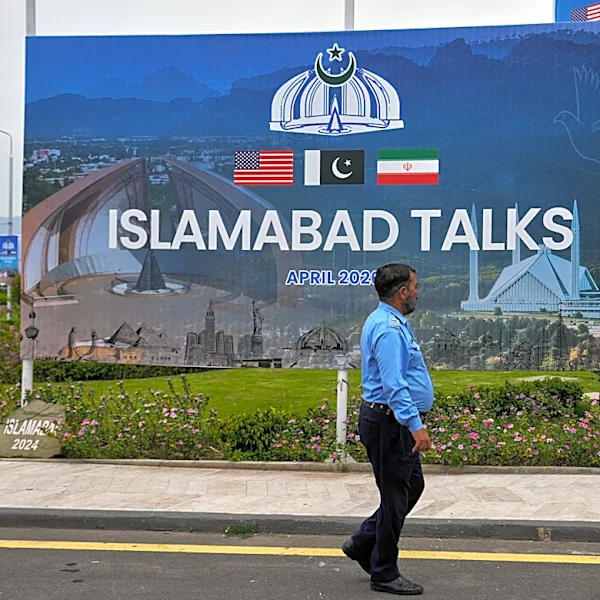
As the ceasefire continues, diplomatic efforts are underway to address the situation. U.S. President Donald Trump is expected to visit China for talks with President Xi Jinping, which may include discussions on the reported arms shipments. Meanwhile, Vice President JD Vance is leading negotiations with Iran in Islamabad, aiming to solidify the ceasefire terms. The outcome of these diplomatic engagements could influence future military and economic strategies in the region. Stakeholders will closely monitor China's actions and any further intelligence reports to assess the potential impact on regional stability.
Beyond the Headlines
The situation raises ethical and legal questions regarding international arms transfers and the responsibilities of major powers in conflict zones. China's alleged involvement in supplying weapons to Iran, despite sanctions, challenges the norms of international law and non-proliferation agreements. This development could lead to broader discussions on the role of global powers in regional conflicts and the mechanisms for accountability. Additionally, the strategic use of third countries to mask arms shipments highlights the complexities of international trade and diplomacy in conflict scenarios.