




What's Happening?
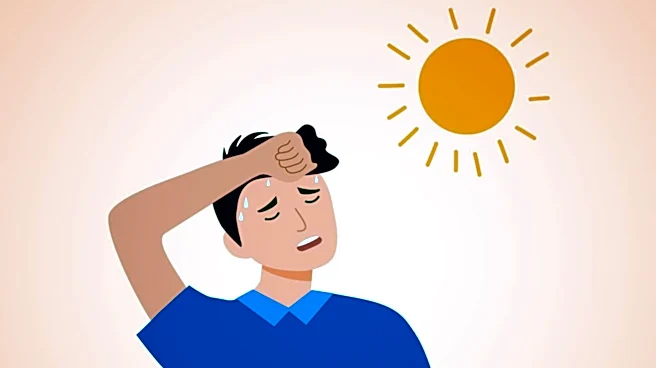
The combination of high temperatures and inflation is creating a crisis for U.S. workers, particularly those in low-income brackets. Many workers are forced to choose between essential cooling and other necessities due to rising energy costs and stagnant
wages. The lack of adequate cooling can lead to severe health risks, as workers exposed to extreme heat during the day need to recover in cooler environments at night. The situation is exacerbated by the fact that the federal minimum wage has not increased since 2009, leaving many unable to afford necessary protections. Some states have implemented regulations to protect workers from extreme heat, but federal action is needed to address the broader affordability crisis.
Why It's Important?
This issue highlights the intersection of economic policy and public health, as inadequate wages and high energy costs directly impact workers' ability to protect themselves from heat-related illnesses. The crisis underscores the need for comprehensive policy solutions, including raising the federal minimum wage and expanding utility assistance programs. Without intervention, the health and productivity of millions of workers remain at risk, potentially leading to increased healthcare costs and economic instability. The situation also raises questions about the responsibility of employers and the government in ensuring safe working conditions and affordable living standards.
What's Next?
Advocates are calling for the federal government to finalize proposals for heat protections and to increase the minimum wage. If these measures are not implemented, states and local governments may need to step up their efforts to protect workers. Employers could also face pressure to provide additional support, such as subsidies for home cooling. The ongoing debate may influence future legislative priorities and could become a significant issue in upcoming elections, as voters demand action to address the affordability crisis and its impact on public health.