




What's Happening?
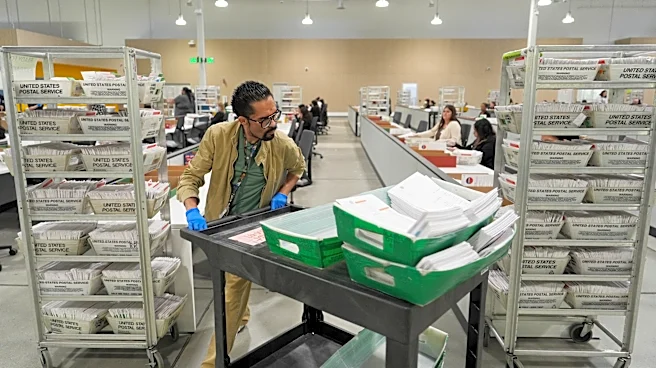
The UCLA Law Review has published an essay titled 'Election-Related Search Warrants,' co-authored by faculty with U.S. Department of Justice (DOJ) experience. This academic work reviews the reasonableness of warrants to seize election materials while
results are pending, a topic that has received limited attention in legal scholarship. The essay articulates the unique imposition that a federal seizure of election materials would entail and analyzes the DOJ’s authority to enforce federal election statutes, revealing previously undiscussed limits relevant to warrant applications in this context. It also examines the specific constraints of a statute governing the DOJ’s civil access to election records, which also implicates the DOJ’s authority to access records in the criminal sphere. The authors propose recommendations for structuring warrants for election materials, emphasizing access to copies rather than exclusive federal custody of originals, to align with constitutional commands and statutory structures.
Why It's Important?
This publication is crucial for understanding the legal boundaries and constitutional protections surrounding election integrity and federal intervention. The Fourth Amendment protects against unreasonable searches and seizures, typically requiring a warrant based on probable cause. However, the essay delves into 'special circumstances' where searches or seizures might be unreasonable despite probable cause, particularly concerning sensitive election materials. The analysis of the DOJ's authority and its limitations in enforcing federal election statutes provides vital insights for legal practitioners, policymakers, and election officials. It highlights the delicate balance between investigating potential election irregularities and safeguarding the integrity and public perception of the electoral process. The recommendations for warrant structuring could influence future legal practices, ensuring that federal access to election records is conducted in a manner that minimizes disruption and maintains public trust.
What's Next?
The insights provided by this essay could inform future legal challenges and policy debates regarding federal oversight of elections. Legal scholars, civil liberties advocates, and government agencies will likely consider these arguments when developing guidelines or responding to situations involving election-related warrants. The emphasis on accessing copies rather than original election materials could become a standard practice or a point of contention in future legal proceedings. This academic work may also prompt further research into the constitutional and statutory implications of federal involvement in state and local election administration. The discussion around the DOJ's authority and its limits will continue to be relevant, especially in an era of heightened scrutiny over election processes and outcomes.
Beyond the Headlines
The deeper implications of this essay extend to the fundamental principles of democratic governance and the separation of powers. The potential for federal seizure of election materials, even with a warrant, raises concerns about federal overreach and the potential for political interference in electoral processes. The essay implicitly addresses the tension between ensuring election security and protecting the autonomy of state and local election administration. It also highlights the importance of clear legal frameworks to prevent abuses of power and maintain public confidence in election results. The discussion about 'special circumstances' where a warrant might be unreasonable despite probable cause underscores the nuanced nature of constitutional law and the need for careful consideration when applying legal principles to highly sensitive areas like elections. This academic contribution serves as a critical resource for navigating the complex legal landscape of election integrity.