







What's Happening?
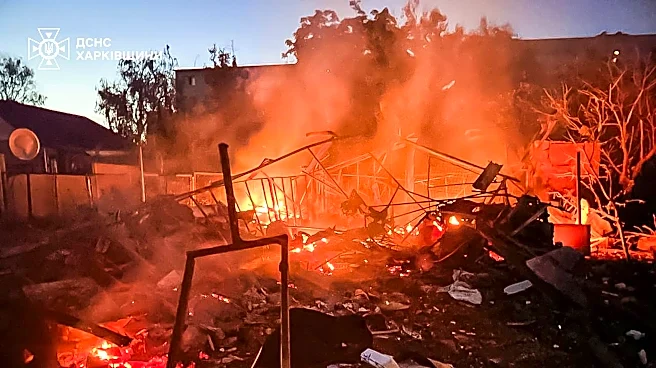
The Baltic states of Estonia, Latvia, and Lithuania are increasingly concerned about the potential spillover of the Russia-Ukraine conflict into their territories, following recent drone incursions. These incursions, suspected to be linked to the ongoing
war, have heightened fears of a broader regional conflict. The Baltic states, which share borders with Russia and Belarus, are strategically vulnerable due to the Suwalki Gap, a narrow land corridor seen as a potential target for Russian military action. The situation is exacerbated by the scaling back of US military presence in Europe, raising questions about NATO's ability to respond effectively to potential threats.
Why It's Important?
The security of the Baltic states is crucial for NATO's eastern flank, and any escalation in the region could have significant implications for the alliance's collective defense strategy. The potential for conflict spillover poses a direct threat to the sovereignty and security of these countries, which rely heavily on NATO's support. The situation highlights the importance of maintaining a strong and unified NATO presence in the region to deter aggression and ensure stability. The concerns also underscore the need for increased defense spending and military readiness among European NATO members.
What's Next?
NATO is likely to enhance its defense posture in the Baltic region, potentially increasing troop deployments and military exercises to deter any potential aggression. The Baltic states may seek additional security assurances from NATO and the US to bolster their defenses. Diplomatic efforts to address the security concerns of the Baltic states and prevent further escalation in the region are expected to intensify. The situation will require careful monitoring and coordination among NATO allies to ensure a swift and effective response to any potential threats.