







What's Happening?
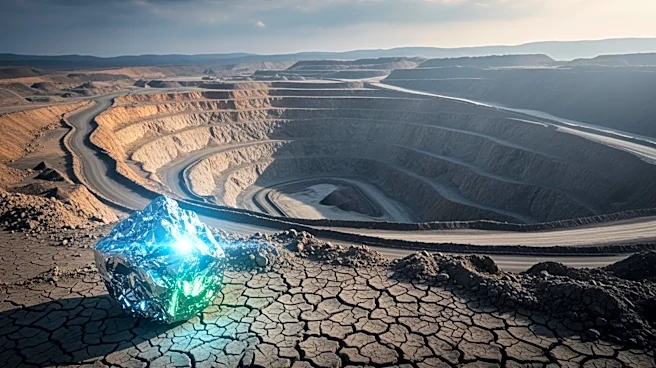
The global push for critical minerals essential for AI and clean energy technologies is creating 'sacrifice zones' that harm water resources and public health in impoverished regions. Mining activities for minerals like lithium, cobalt, and rare earth
elements are leading to significant environmental degradation, including water pollution and shortages. These minerals are crucial for modern technologies, but their extraction often results in toxic waste and contaminated water supplies, affecting local communities' health and food systems. The report highlights the need for better regulation and governance to prevent these adverse impacts.
Why It's Important?
The extraction of critical minerals is vital for the transition to a sustainable, tech-driven future, but it poses significant risks to vulnerable communities. The environmental and health impacts of mining can exacerbate poverty and inequality, particularly in regions with weak governance and infrastructure. This situation presents a moral and practical challenge for global industries and governments, as they must balance technological advancement with ethical and sustainable practices. The findings call for international cooperation to establish binding regulations and protect affected communities.
What's Next?
There is a growing call for stronger international governance and regulations to manage the environmental and social impacts of critical mineral mining. Potential measures include enforceable supply chain due-diligence laws, mandatory environmental standards, and the establishment of a global mineral trust. Companies may also invest in less water-intensive technologies and improve waste management practices. These steps aim to ensure that the benefits of technological advancements do not come at the expense of marginalized communities.