



What's Happening?
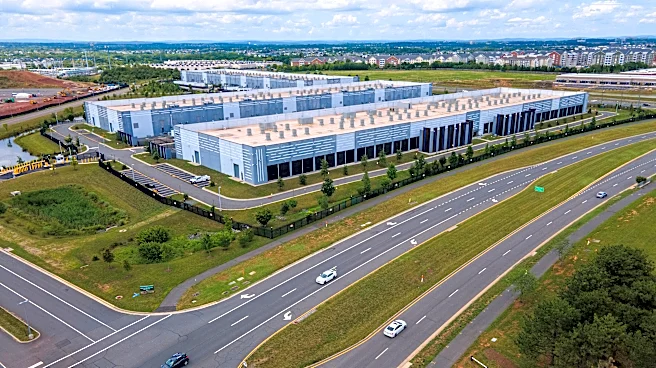
Mayors from communities along the Mississippi River have convened to discuss and evaluate proposals for data centers, which are rapidly expanding across the basin. With over 3,000 active data centers in the U.S. and many more planned, particularly in the South
and Midwest, local leaders are increasingly approached by companies seeking to build these facilities. Melisa Logan, Mayor of Blytheville, Arkansas, and co-chair of the Mississippi River Cities and Towns Initiative (MRCTI), highlighted that construction of data centers has reached $4.4 billion per month. Over 75% of MRCTI member cities have been approached to host AI infrastructure and are seeking guidance on protecting community resources like water and utility services. In response, MRCTI has introduced two new resources: a 'Wishlist' developed with the Sierra Club to help officials understand risks and benefits, and a framework from the Future Caucus of the Missouri House of Representatives to evaluate fiscal returns, public cost protections, resource usage, and community benefits.
Why It's Important?
The rapid proliferation of data centers, driven by the growing demand for artificial intelligence and data storage, presents both economic opportunities and significant challenges for U.S. communities, particularly those along the Mississippi River. These facilities require substantial resources, including electricity and water, which can strain local infrastructure and environmental systems. The guidance provided by the MRCTI is crucial for ensuring that local leaders can make informed decisions that balance economic development with the protection of community resources. Without proper evaluation frameworks, communities risk facing unforeseen costs, environmental impacts, and resource depletion. The initiative helps prevent potential negative consequences while allowing communities to capitalize on the economic benefits, such as job creation and investment, associated with hosting data centers.
What's Next?
Local communities along the Mississippi River are expected to utilize the new resources provided by the MRCTI to evaluate future data center proposals. The 'Wishlist' and fiscal evaluation framework will enable elected officials to ask pertinent questions regarding public costs, resource consumption, and community benefits. This proactive approach aims to ensure that communities are prepared to engage with AI opportunities while safeguarding their resources. As more data centers are planned, particularly in the South and Midwest, the adoption of these evaluation tools could become more widespread, influencing how future infrastructure projects are assessed and integrated into local economies and environments. The ongoing dialogue among mayors and the development of best practices will likely continue to shape the landscape of data center development in the U.S.
Beyond the Headlines
The expansion of data centers highlights a broader national trend of increasing energy and resource demands driven by technological advancements like artificial intelligence. This development raises critical questions about sustainable growth, infrastructure resilience, and environmental stewardship. The emphasis on protecting community resources, such as water and utility services, underscores the ethical responsibility of corporations and local governments to ensure that technological progress does not come at the expense of environmental health or community well-being. The collaborative effort among Mississippi River mayors reflects a growing awareness among local leaders of the need for comprehensive planning and due diligence in the face of rapid industrialization, setting a precedent for how other regions might approach similar challenges.