





What's Happening?
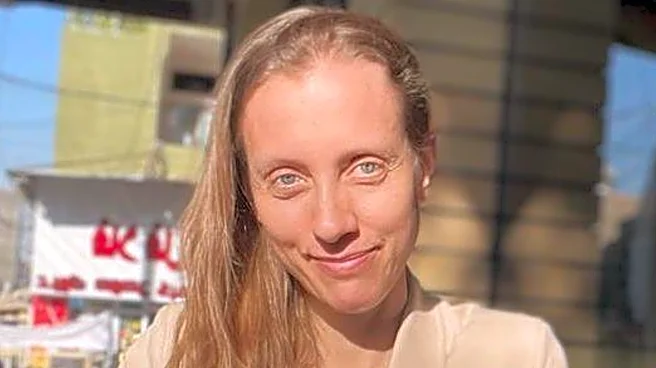
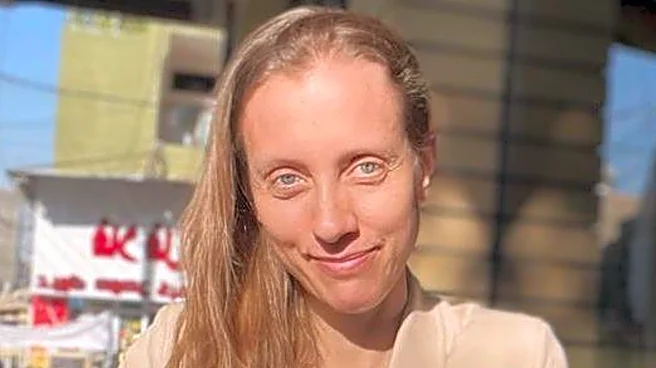
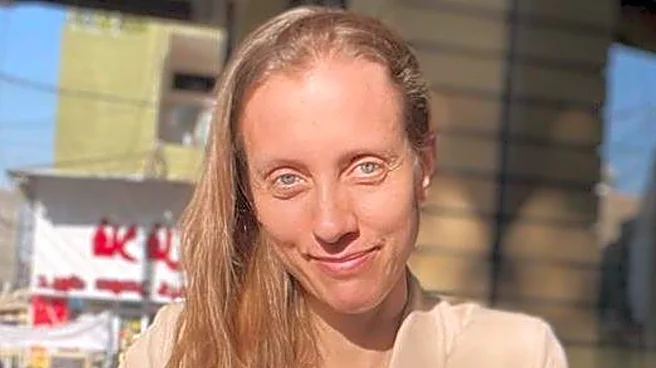
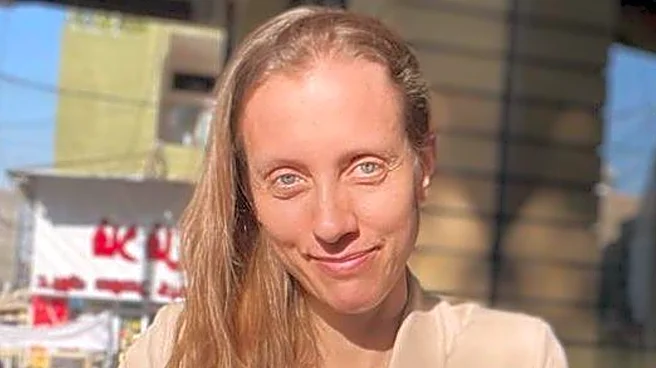
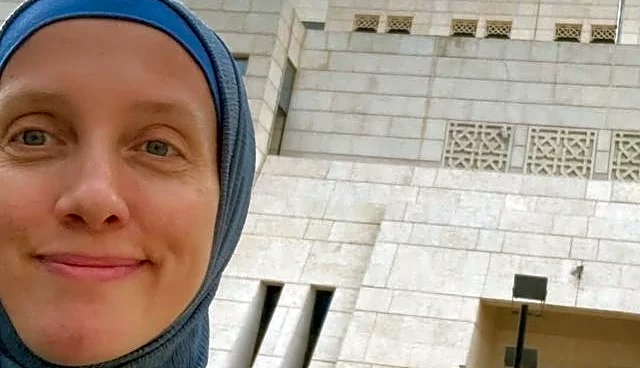
Shelly Kittleson, a 49-year-old freelance American journalist, was released from captivity in Iraq by the Iran-backed militia group Kataib Hezbollah. Kittleson was kidnapped on March 31 in Baghdad and her release was announced by U.S. Secretary of State
Marco Rubio. The release was reportedly part of an exchange deal where several members of the militia, previously detained by Iraqi authorities, were freed. Kittleson's mother, Barb Kittleson, expressed relief over her daughter's release and hopes for her return to Wisconsin, where she has not lived since 1995. Shelly Kittleson has been working as a journalist in the Middle East, covering regions like Iraq and Syria for various news outlets.
Why It's Important?
The release of Shelly Kittleson underscores the ongoing risks faced by journalists operating in conflict zones, particularly in regions with active militia groups. This incident highlights the complex geopolitical dynamics in Iraq, where Iran-backed militias have been involved in various conflicts, including attacks on U.S. facilities. The exchange deal for Kittleson's release may have broader implications for U.S.-Iraq relations and the handling of future hostage situations. It also raises questions about the safety and protection of journalists in volatile areas, emphasizing the need for international efforts to safeguard press freedom and ensure the safety of media personnel.
What's Next?
Following her release, it is expected that Shelly Kittleson will undergo debriefing by U.S. authorities to gather information about her captivity. There may also be diplomatic discussions between the U.S. and Iraq regarding the conditions of her release and the activities of Iran-backed militias in the region. The incident could prompt further scrutiny of militia activities and influence in Iraq, potentially affecting future U.S. foreign policy decisions in the Middle East. Additionally, there may be increased advocacy for the protection of journalists working in conflict zones.