



What's Happening?
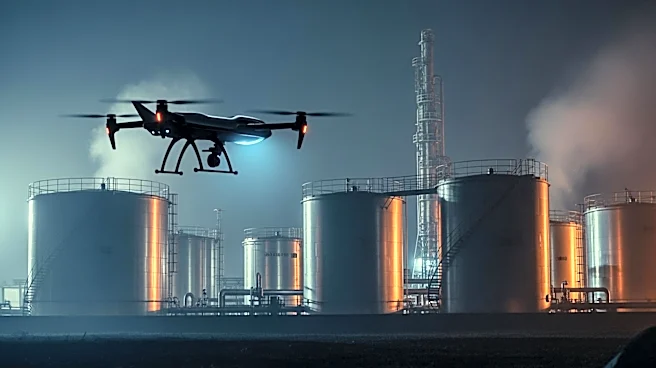
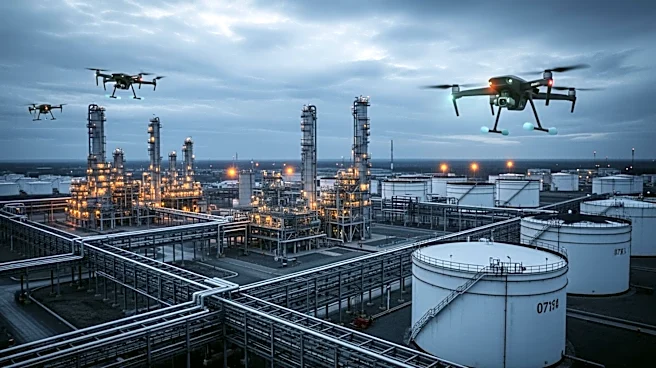
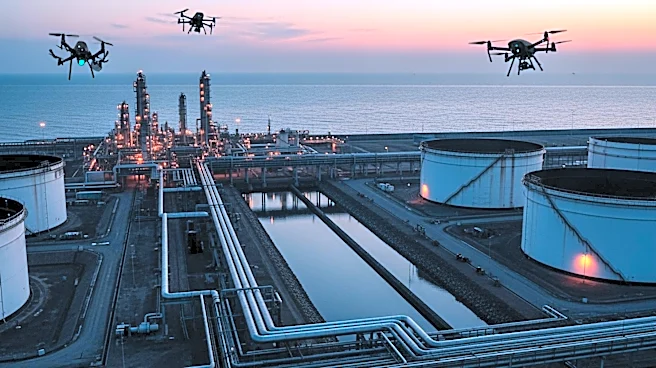
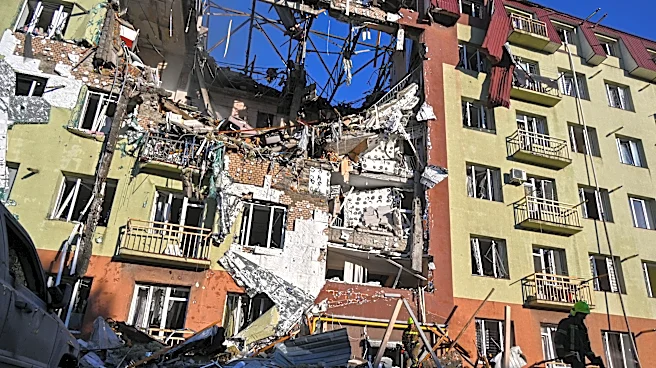
On Monday, Ukrainian drones attacked the Caspian Pipeline Consortium's Black Sea terminal, which is responsible for handling 1.5% of the global oil supply. The attack resulted in damage to the single point mooring, loading infrastructure, and four large
storage tanks. The Ukrainian military also reported strikes on oil loading facilities at the nearby Sheskharis oil terminal in Novorossiysk. These attacks are part of Ukraine's increased efforts to target Russia's energy infrastructure amid the ongoing conflict. The Caspian Pipeline Consortium's terminal exports oil from Kazakhstan, with major shareholders including Chevron and Exxon Mobil. The Russian defense ministry accused Ukraine of deliberately targeting these facilities to inflict economic damage on its largest shareholders.
Why It's Important?
The attacks on the Caspian Pipeline Consortium's terminal and the Sheskharis oil terminal are significant due to their potential impact on global oil supply and the economic interests of major energy companies. The CPC terminal handles a substantial portion of Kazakhstan's crude exports, and any disruption could affect international oil markets. The involvement of major U.S. energy companies like Chevron and Exxon Mobil highlights the broader geopolitical implications, as these companies have significant investments in the region. The strikes underscore the ongoing tensions between Ukraine and Russia, with energy infrastructure becoming a focal point in the conflict. This development could lead to increased volatility in oil prices and further strain international relations.
What's Next?
The immediate consequences of the attacks include potential disruptions in oil loading operations at the affected terminals. The extent of the damage and its impact on oil exports are yet to be fully assessed. Major stakeholders, including the affected energy companies and international governments, may respond with increased security measures or diplomatic efforts to address the situation. The ongoing conflict between Ukraine and Russia is likely to see further escalations, with energy infrastructure remaining a key target. Monitoring the response from the international community and the potential for retaliatory actions will be crucial in understanding the future dynamics of the conflict.
Beyond the Headlines
The attacks on the oil terminals highlight the vulnerability of critical energy infrastructure in conflict zones. The deliberate targeting of such facilities raises ethical and legal questions about the conduct of warfare and the protection of civilian infrastructure. The involvement of major international energy companies also brings attention to the role of corporate interests in geopolitical conflicts. Long-term implications may include shifts in energy supply chains and increased investment in security measures for critical infrastructure. The situation also underscores the interconnectedness of global energy markets and the potential ripple effects of regional conflicts on international economies.