







What's Happening?
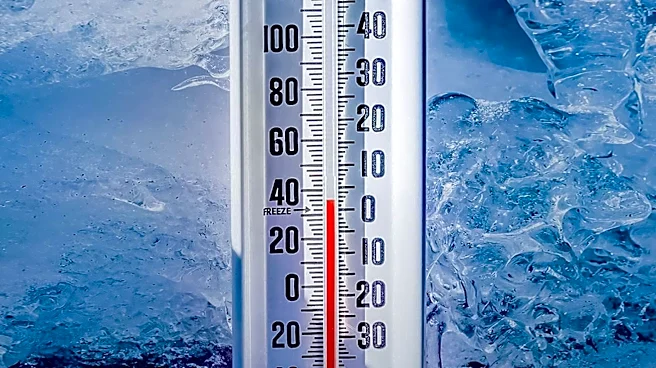
Kaiser Permanente has released information regarding hypothermia, defining it as a condition where the body loses heat faster than it can produce it, leading to a body temperature below 95°F (35°C). While commonly associated with very cold weather, hypothermia can also
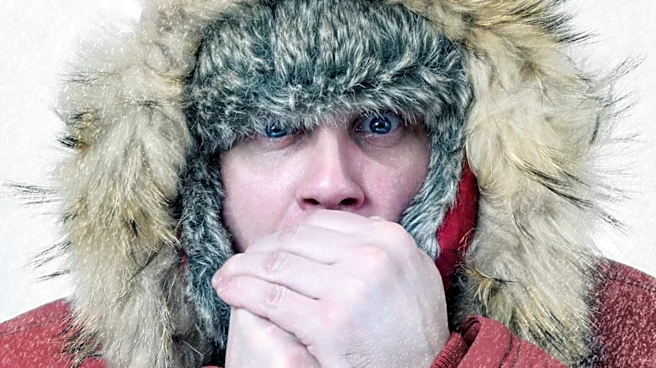
occur in milder conditions, particularly with exposure to water, wind, or rain. The organization highlights that hypothermia can even happen indoors, especially for infants, older adults, or individuals with health conditions who may not be adequately dressed or when indoor temperatures are insufficient. Early symptoms include shivering, apathy, poor judgment, mild unsteadiness, slurred speech, and numb hands. As body temperature drops further, moderate to severe symptoms can rapidly develop, such as a cold trunk, pale or blue-gray skin, stiff muscles, slow pulse, shallow breathing, weakness, confusion, and loss of consciousness. A critical sign is when shivering stops at very low body temperatures, indicating a severe stage of hypothermia. Kaiser Permanente emphasizes that hypothermia is a medical emergency that can be fatal if untreated.
Why It's Important?
Understanding the risks and symptoms of hypothermia is crucial for public health, especially in regions experiencing cold weather. The information provided by Kaiser Permanente underscores the importance of prompt recognition and treatment, as delayed intervention can lead to severe health complications or death. This knowledge is particularly vital for vulnerable populations, including the elderly and infants, who are at higher risk of developing hypothermia even in seemingly less extreme conditions. Public awareness campaigns based on such guidelines can help reduce emergency room visits and fatalities related to cold exposure. For healthcare providers, these details reinforce the need for rapid assessment and appropriate medical intervention, which can include warming techniques and, in severe cases, hospital treatment to raise core body temperature. The emphasis on indoor hypothermia also highlights the need for adequate heating and appropriate clothing in homes and care facilities, impacting public health policy and care standards.
What's Next?
Individuals experiencing symptoms of hypothermia are advised to seek immediate care. For mild cases, self-care measures include moving to a warm, dry place, removing wet clothing, applying heat to the chest, back, and armpits, wrapping in blankets, and consuming high-calorie food and warm drinks (excluding alcohol). It is crucial not to allow the person to stand or walk for at least 30 minutes. For moderate to severe symptoms, such as confusion, breathing difficulties, or loss of consciousness, emergency medical treatment is necessary, potentially requiring hospitalization. Doctors may employ specialized treatments to elevate the core body temperature. Public health initiatives may focus on disseminating this information more broadly, especially before and during winter months, to educate the public on prevention, symptom recognition, and appropriate first aid responses. This could involve community outreach programs and partnerships with local healthcare providers to ensure timely access to care.
Beyond the Headlines
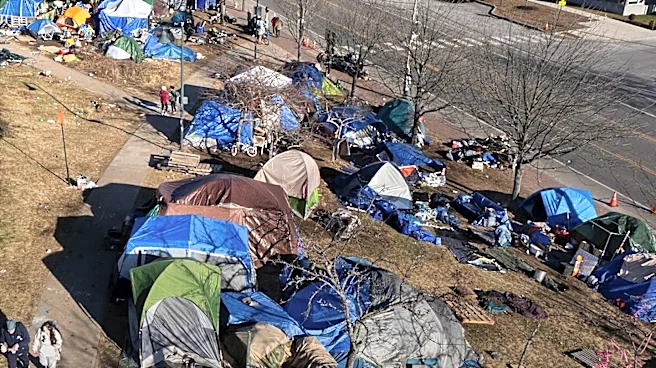
The detailed guidance from Kaiser Permanente on hypothermia extends beyond immediate medical response, touching upon broader societal implications. The mention of indoor hypothermia for vulnerable groups like babies and older adults highlights potential issues related to energy poverty and inadequate housing conditions, where maintaining sufficient indoor temperatures might be a challenge. This could prompt discussions on social welfare programs and housing assistance to ensure safe living environments during colder months. Furthermore, the emphasis on early symptom recognition and immediate action underscores the importance of community preparedness and mutual aid networks, where neighbors and family members are equipped to identify and respond to signs of cold exposure in others. The information also implicitly calls for a re-evaluation of public spaces and facilities to ensure they are adequately heated and safe for all demographics, particularly during extreme weather events, fostering a more resilient and health-conscious community.