





What's Happening?
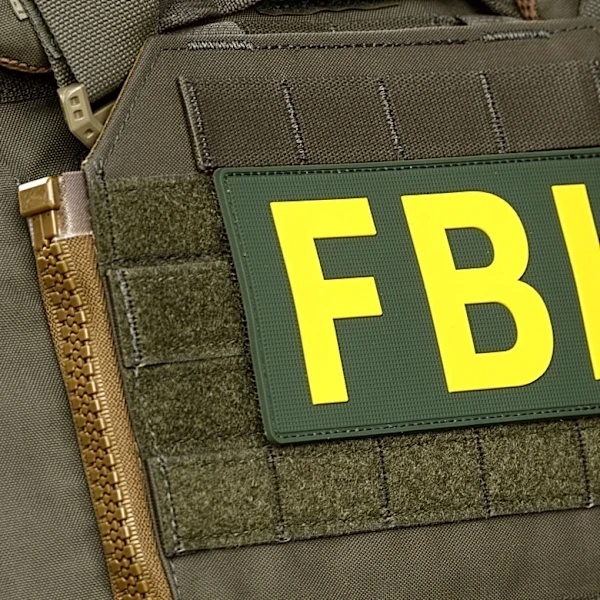
Chinese espionage efforts are intensifying globally, with a particular focus on stealing commercial and technological secrets, and gathering intelligence on foreign leaders and military plans. According to Holden Triplett, who previously led the FBI's
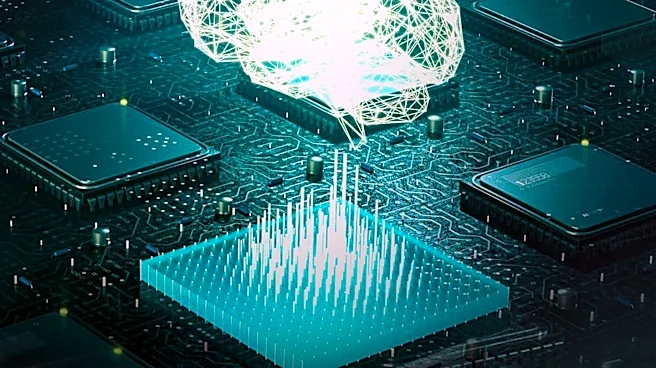
office in Beijing, parts of China's intelligence service now rival the U.S. Central Intelligence Agency and Russia's Federal Security Service in professionalism. These operations leverage both human intelligence and advanced artificial intelligence (AI) to identify and exploit vulnerabilities. Dennis Wilder, former CIA deputy assistant director for East Asia and the Pacific, noted that AI algorithms are used to target individuals, significantly reducing manpower needs. Microsoft reported that the China-linked group Storm-0940 used agentic AI to automate attacks against hundreds of organizations worldwide. This aggressive approach is evident in various incidents, including allegations of a former Nvidia CEO's affair with a suspected Chinese spy and numerous cases of intelligence gathering in the South China Sea.
Why It's Important?
The escalating Chinese espionage poses a significant threat to U.S. economic well-being, technological superiority, and national security. The focus on advanced semiconductors and AI technology directly challenges America's lead in these critical sectors, which are considered foundational to its economic strength and military capabilities. The use of AI in espionage, as described by Dennis Wilder, makes these operations more efficient and harder to detect, allowing Chinese agents to identify and engage targets online without risky overseas travel. This shift in methodology means that U.S. executives, government officials, and academics working in cutting-edge fields are increasingly vulnerable. The infiltration of U.S. tech giants and military intelligence gathering could erode America's strategic advantages, impacting its ability to project force and influence global affairs, particularly concerning issues like Taiwan.
What's Next?
U.S. intelligence agencies, including the FBI and CIA, are expected to continue raising alarms and implementing countermeasures against the growing sophistication of Chinese espionage. This will likely involve enhanced cybersecurity protocols, increased counterintelligence efforts, and public warnings to vulnerable sectors. The U.S. government may also pursue further restrictions on technology exports and collaborations with China to safeguard critical intellectual property. Businesses and academic institutions in the U.S. will need to strengthen their internal security measures and educate their personnel about potential targeting by foreign intelligence services. The ongoing competition in AI and advanced technology will likely fuel further espionage activities, necessitating continuous adaptation and vigilance from U.S. defense and intelligence communities.
Beyond the Headlines
The increasing reliance on AI in Chinese espionage introduces complex ethical and legal dimensions. The use of AI to profile individuals and exploit 'human frailty and vulnerability,' as noted by Holden Triplett, raises concerns about privacy, digital manipulation, and the weaponization of personal data. This technological arms race in intelligence gathering could lead to a redefinition of traditional espionage, moving from physical clandestine operations to sophisticated digital warfare. The development of AI tools like DeepSeek for profiling American executives and officials suggests a long-term shift towards highly personalized and automated influence operations. This trend could trigger broader debates about international norms for cyber warfare and intelligence ethics, potentially leading to new legal frameworks and international agreements to govern the use of AI in state-sponsored espionage.