



What's Happening?
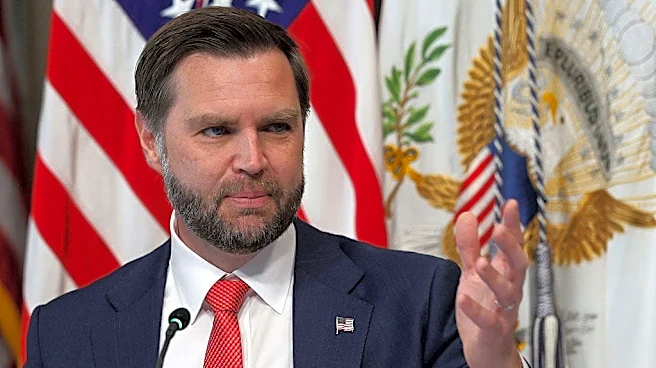
Vice President JD Vance is scheduled to return to his hometown of Middletown, Ohio, on Friday, August 21, to deliver a speech at the Cleveland-Cliffs Middletown Works steel plant. The purpose of his visit is to emphasize the Trump administration's economic
agenda. Cleveland-Cliffs, formerly known as AK Steel, is currently pursuing a significant modernization project at the plant. This project, if approved, is anticipated to generate up to 1,500 construction jobs. In preparation for the Vice President's visit, several road and sidewalk closures will be implemented in the Walnut Hills area from Thursday afternoon through Sunday, August 23. These closures include sections of William Howard Taft Road, Collins Avenue, Taft Road Lane, Heatherhill Lane, and westbound Riverside Drive. Residents within the closure zone will maintain access through marked security checkpoints, though law enforcement presence and potential delays are expected. Delivery trucks and commercial service vehicles will also be permitted through these checkpoints.
Why It's Important?
Vice President Vance's visit underscores the Trump administration's focus on industrial policy and job creation within the manufacturing sector, particularly in key swing states like Ohio. The Cleveland-Cliffs modernization project, with its potential to create 1,500 construction jobs, aligns with the administration's narrative of revitalizing American industry. This event could serve as a platform to showcase the administration's commitment to supporting domestic steel production and manufacturing, which are often seen as vital for national economic security and regional employment. For the local community in Middletown, the project represents a significant economic opportunity, potentially bringing new jobs and investment. The emphasis on regulatory approval for the project also highlights the interplay between government policy and corporate investment, demonstrating how political support can influence the trajectory of major industrial developments. The visit also carries political weight, as it allows Vice President Vance to connect with his roots and reinforce the administration's message in a region that has historically been important for manufacturing.
What's Next?
Following Vice President Vance's speech, attention will likely turn to the regulatory approval process for Cleveland-Cliffs' modernization project. The administration's public support, as demonstrated by Vance's visit, could potentially expedite or influence this process. The company will continue to work towards securing the necessary approvals to commence construction, which, if successful, would lead to the creation of the projected 1,500 jobs. Local officials and residents will be monitoring the progress of the project and its economic impact on Middletown. Politically, the event may be leveraged by the Trump administration in future campaigns to highlight its economic achievements and commitment to American workers. The road closures and security measures implemented for the visit will conclude by Sunday, August 23, returning local traffic to normal. The long-term success of the modernization project will depend on market conditions for steel and the continued support for domestic manufacturing policies.
Beyond the Headlines
This event touches upon broader themes of economic nationalism and the role of government in industrial development. The focus on a steel plant in a traditional manufacturing hub reflects a strategic effort to appeal to working-class voters and communities that have experienced deindustrialization. The emphasis on 'regulatory approval' for the modernization project highlights the complex relationship between private enterprise and government oversight, where political will can sometimes influence economic outcomes. Furthermore, the Vice President's return to his hometown carries symbolic weight, aiming to convey a sense of authenticity and connection to the concerns of everyday Americans. This type of engagement can reinforce a narrative that the administration is directly addressing the economic challenges faced by industrial towns. The potential job creation, while significant, also raises questions about the long-term sustainability of such projects in a globalized economy and the broader implications for environmental regulations and technological advancements in manufacturing.