







What's Happening?
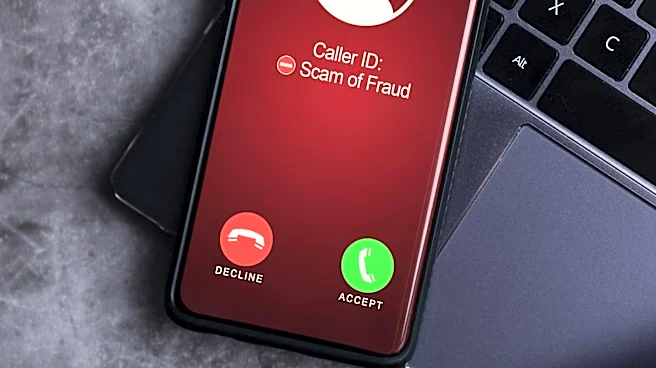
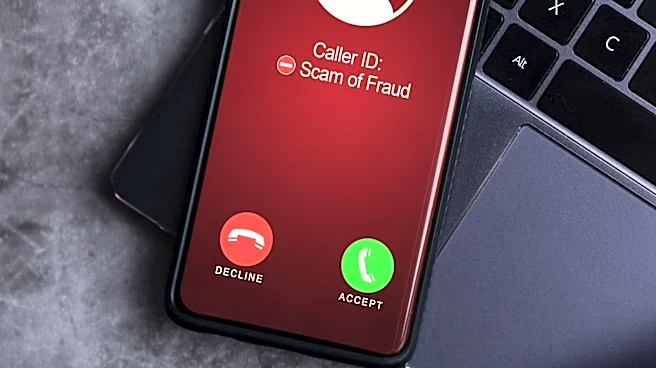
The Federal Trade Commission (FTC) has issued guidance to the public on how to respond to silent and unfamiliar phone calls, which are often linked to scam attempts. These calls can be unsettling, ranging from harmless technical issues to sophisticated
fraudulent activities. Scammers frequently use automated calling technology and caller ID spoofing to disguise their identities and test phone numbers for activity. The FTC advises that if you answer an unfamiliar call and hear silence, it's best to hang up immediately to avoid potential phishing attempts or fraudulent sales pitches. It also warns against calling back unfamiliar numbers, as this can lead to 'one-ring scams' that connect to international premium-rate numbers, incurring unexpected charges. Modern smartphones offer features to block individual numbers, silence unfamiliar callers, or send suspicious calls directly to voicemail, and the FTC recommends utilizing these tools and reporting repeated suspicious calls to DoNotCall.gov.
Why It's Important?
This guidance is crucial for U.S. consumers as phone scams continue to be a significant threat, leading to financial losses and identity theft. The FTC's advice empowers individuals to protect themselves by understanding the tactics used by scammers and taking proactive steps. The prevalence of silent calls and one-ring scams highlights the evolving nature of fraudulent activities, making it essential for the public to be informed. For older Americans, who are often targeted by scams involving Social Security, Medicare, or banking, this information is particularly vital. By promoting awareness and practical steps like blocking numbers and reporting incidents, the FTC aims to reduce the overall impact of these scams on the U.S. population, safeguarding personal information and financial well-being.
What's Next?
The FTC will likely continue its public awareness campaigns to educate consumers about various phone scams and how to protect themselves. Telecommunication companies and smartphone manufacturers may further enhance their call-blocking and spam protection features in response to the persistent threat of unwanted calls. Consumers should regularly check their phone settings and carrier services for updated security options. Reporting suspicious calls to DoNotCall.gov will remain an important action, as this data helps regulators identify patterns and investigate illegal operations. As scammers adapt their methods, ongoing vigilance and continuous updates to protective measures will be necessary to mitigate the risks associated with silent and unfamiliar phone calls.
Beyond the Headlines
The issue of silent and unfamiliar phone calls extends beyond individual inconvenience, reflecting a broader challenge in maintaining trust and security in digital communication. The ease with which caller ID can be spoofed and automated calls can be made highlights vulnerabilities in telecommunication infrastructure. This situation also underscores the psychological impact of constant unsolicited contact, contributing to a general sense of distrust towards unknown callers. The FTC's recommendations, while practical, also point to the need for systemic solutions, potentially involving stricter regulations on telemarketing practices and enhanced collaboration between government agencies, tech companies, and carriers. The long-term implications could include a shift in communication norms, where unsolicited calls are increasingly viewed with suspicion, and verified communication channels become more valued.