







What's Happening?
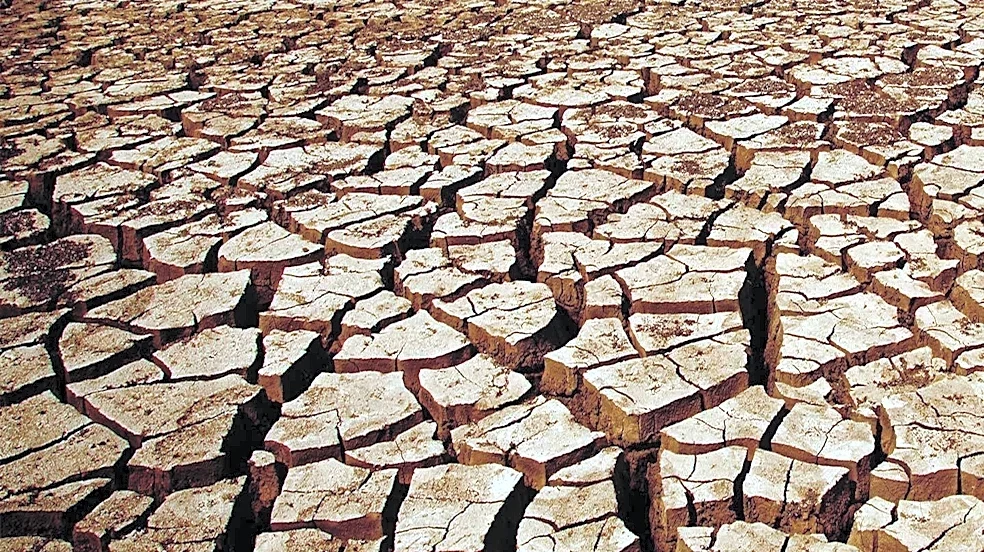
Drought conditions have notably improved across Vermont and New Hampshire, according to the latest U.S. Drought Monitor released on Thursday. Moderate drought now affects 14% of Vermont, a substantial decrease from 42% just one week prior. Similarly,
New Hampshire's moderate drought coverage has fallen to 33% from 53% last week. The most significant improvements are observed in the Champlain Valley, northern New York, Vermont, and parts of New Hampshire. While some areas have moved out of drought entirely, others remain abnormally dry or in moderate drought. Maine, however, continues to face severe to extreme drought, with some areas experiencing exceptional drought. Despite a current stretch of sunny weather that may temporarily slow further improvements, the broader outlook is positive due to an anticipated strong El Niño this winter, which typically brings wetter conditions to the Northeast.
Why It's Important?
The improvement in drought conditions is crucial for the agricultural sectors, water resources, and overall environmental health of Vermont and New Hampshire. Reduced drought intensity lessens the strain on water supplies, benefiting farming, livestock, and local ecosystems. For residents, it means a decreased risk of water restrictions and potential relief for private wells. The persistence of severe drought in Maine, however, highlights regional disparities in climate impacts and the need for localized drought management strategies. The expectation of a strong El Niño pattern this winter offers a promising outlook for sustained drought relief across the Northeast, which could prevent long-term economic and environmental damage associated with prolonged dry spells. This development is vital for regional planning concerning water management, agriculture, and wildfire prevention.
What's Next?
The anticipated strong El Niño pattern this winter is expected to bring wetter conditions, offering continued drought relief and potentially eliminating drought conditions across much of Vermont and New Hampshire. While immediate improvements might be slowed by the current sunny weather, the seasonal forecast suggests a steady improvement throughout the winter months. For Maine, despite the expected wetter pattern, the severity of current drought conditions means that complete elimination of drought will likely take a longer period. Stakeholders, including state emergency management agencies, environmental conservation departments, and agricultural communities, will continue to monitor conditions closely. The U.S. Drought Monitor will release weekly updates, providing ongoing assessments of the situation and guiding regional responses.
Beyond the Headlines
The varying drought conditions across the Northeast, with significant improvements in Vermont and New Hampshire contrasting with persistent severe drought in Maine, underscore the complex and localized nature of climate impacts. This situation highlights the importance of regional climate monitoring and adaptive management strategies. While El Niño offers a natural reprieve, the broader context of climate change suggests that such extreme weather events, including both droughts and floods, may become more frequent and intense. This necessitates long-term investments in water infrastructure, sustainable agricultural practices, and robust emergency preparedness plans to build resilience against future climate variability. The differing experiences within the region also emphasize the need for tailored solutions rather than a one-size-fits-all approach to environmental challenges.